
The cobblestone streets of Barcelona whisper stories that date back centuries, while the Seine reflects Paris’s twinkling lights like scattered diamonds. Western Europe isn’t just a destination—it’s a sensory feast that transforms travelers into storytellers.
From sipping espresso in a hidden Roman piazza to watching fog roll over London’s skyline at dawn, these cities don’t simply welcome visitors; they seduce them with promises of unexpected discoveries around every corner.
In this first article of our three-part series, we’ll explore the best cities to visit in Europe’s western region. You’ll learn about must-see attractions, local experiences, and practical tips to make the most of each destination. Let’s begin our journey through Western Europe’s most enchanting cities.
London, United Kingdom
Where History Meets Modern Innovation
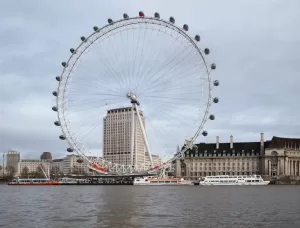
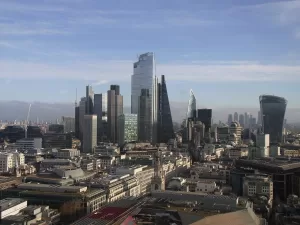
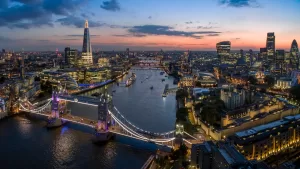
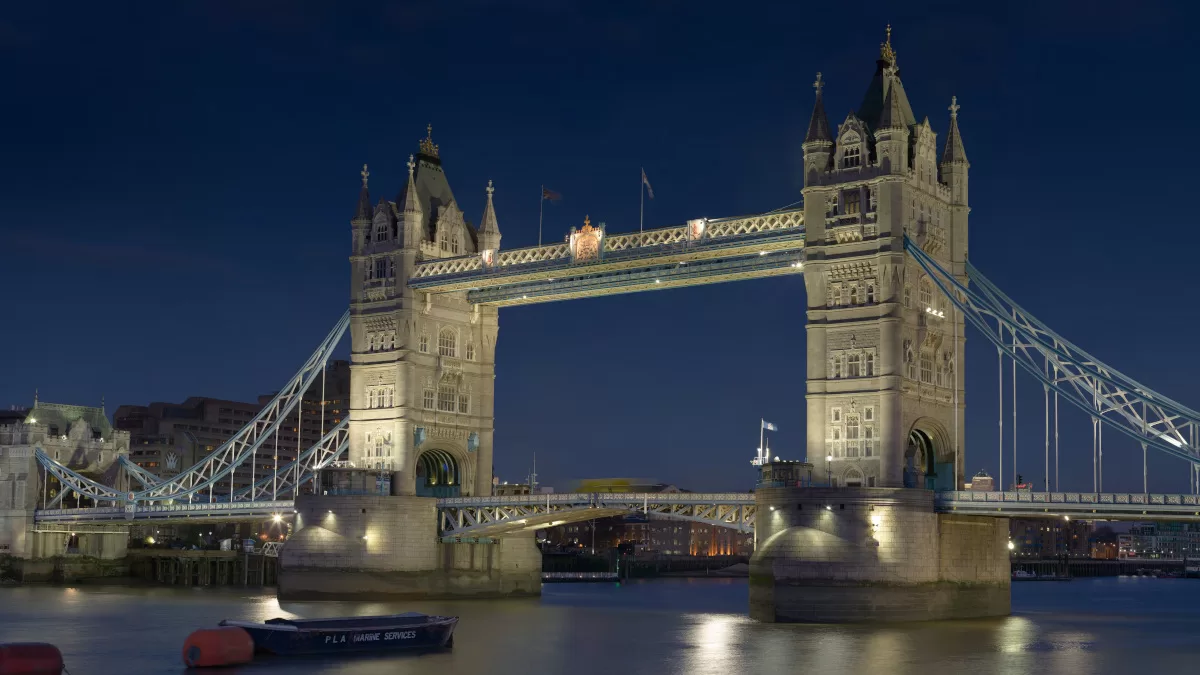
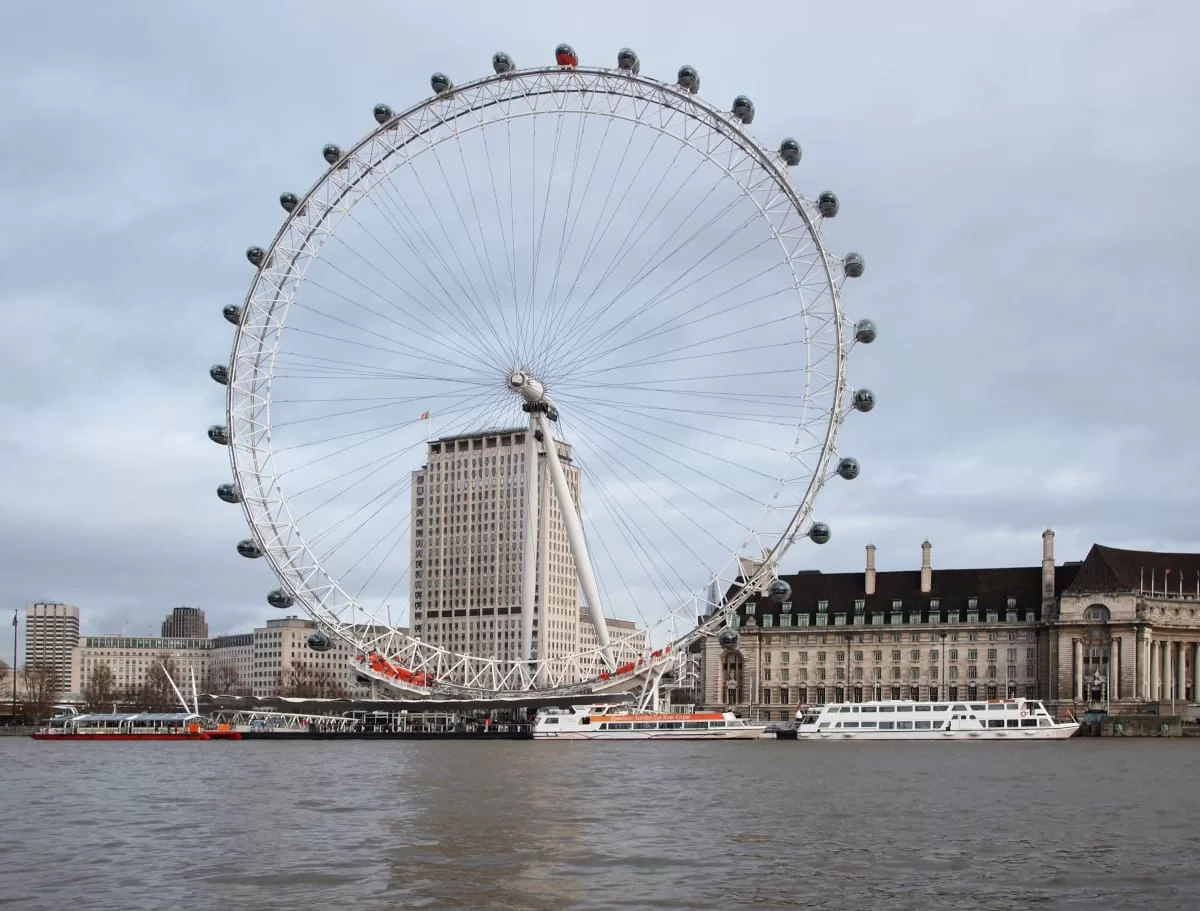
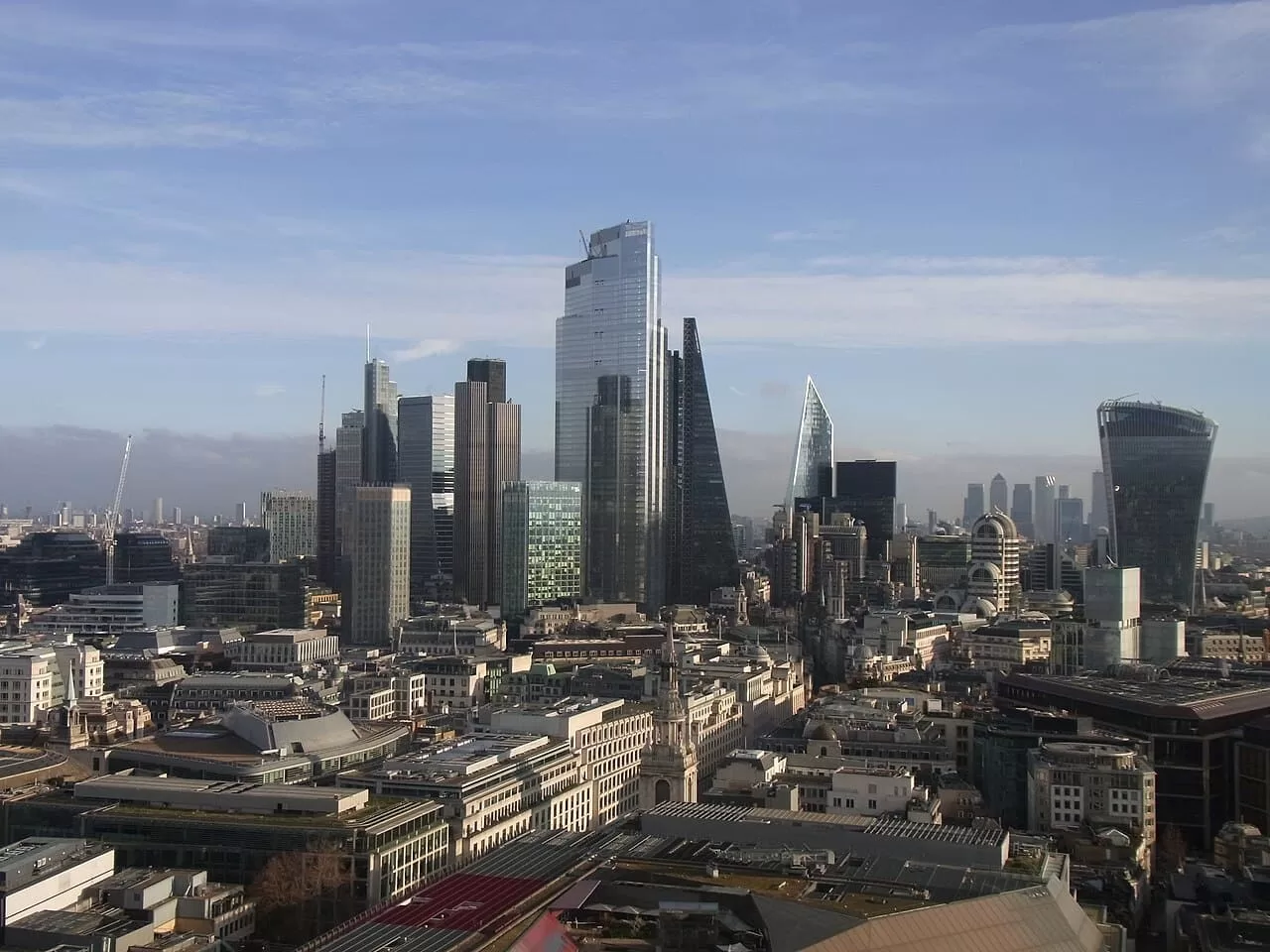
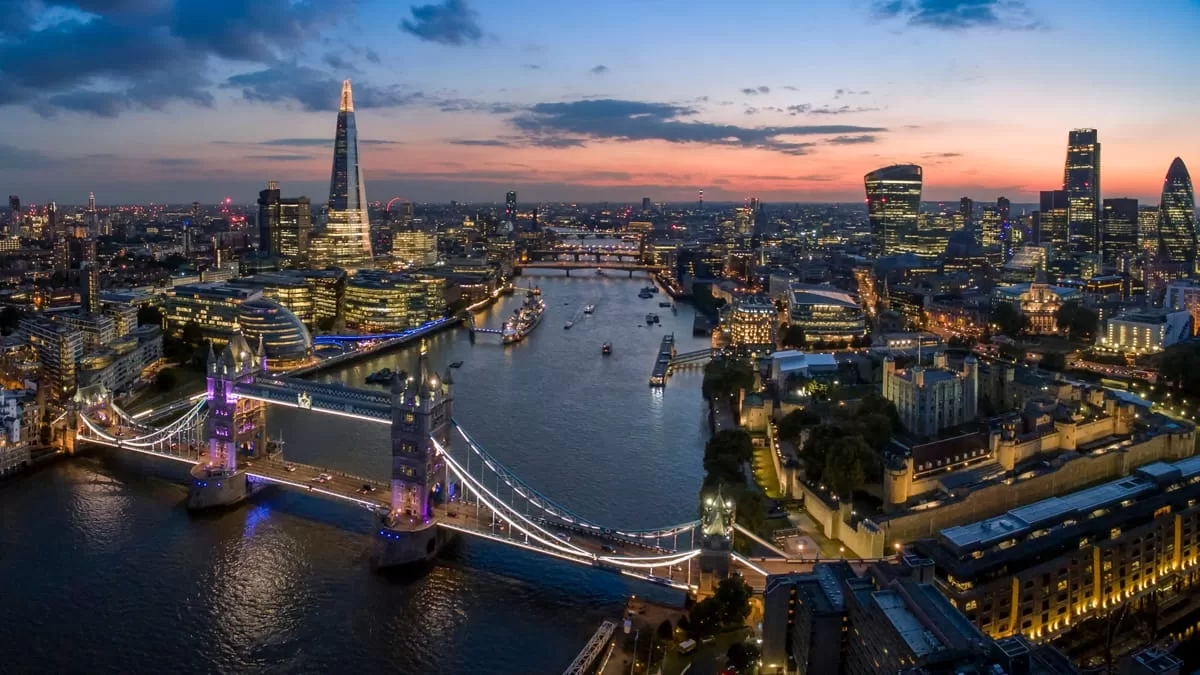
London remains one of the best cities to visit in Europe for good reason. This dynamic capital blends centuries of history with cutting-edge innovation. The city welcomed over 21.7 million tourists in 2024.
The iconic sights of London tell the story of Britain’s past and present. Big Ben and the Houses of Parliament showcase Gothic Revival architecture at its finest. Nearby, the London Eye offers panoramic views of the city that stretch for miles.
Buckingham Palace draws crowds for the Changing of the Guard ceremony. This colorful tradition happens several times weekly. Watching the red-uniformed guards with their bearskin hats is a must-see London experience.
For history buffs, the Tower of London ranks among the best things to do in the city. This UNESCO World Heritage site houses the Crown Jewels and has served as a royal palace, prison, and fortress since 1066.
London’s food scene has transformed in recent years. The city now boasts some of the best restaurants in Europe. Borough Market offers food lovers a taste of global cuisines and local specialties. For upscale dining, try the Michelin-starred restaurants in Mayfair and Soho.
The best way to experience London is to mix famous attractions with local neighborhoods. Visit Notting Hill for colorful houses and antique shops. Explore Camden for alternative culture and street food. Wander through South Bank for cultural institutions and river views.
Transportation in London is simple with the Underground (Tube) system. The Oyster Card or contactless payment makes getting around easy. Walking is also great for central areas, letting you discover hidden corners of this fascinating city.
- Must See: Buckingham Palace, British Museum, Tower of London, Westminster Abbey, Hyde Park.
- Experience: Discover British history, explore diverse neighborhoods, and enjoy world-class dining.
- How to Reach: Fly to Heathrow, Gatwick, or Stansted Airport and take the Tube or train to the city center.
Paris, France
The Timeless Capital of Romance
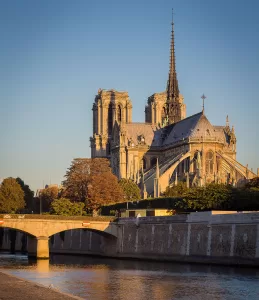
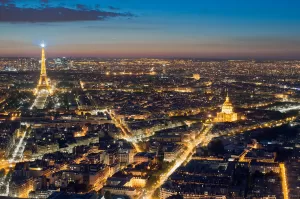
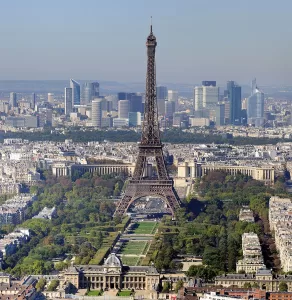
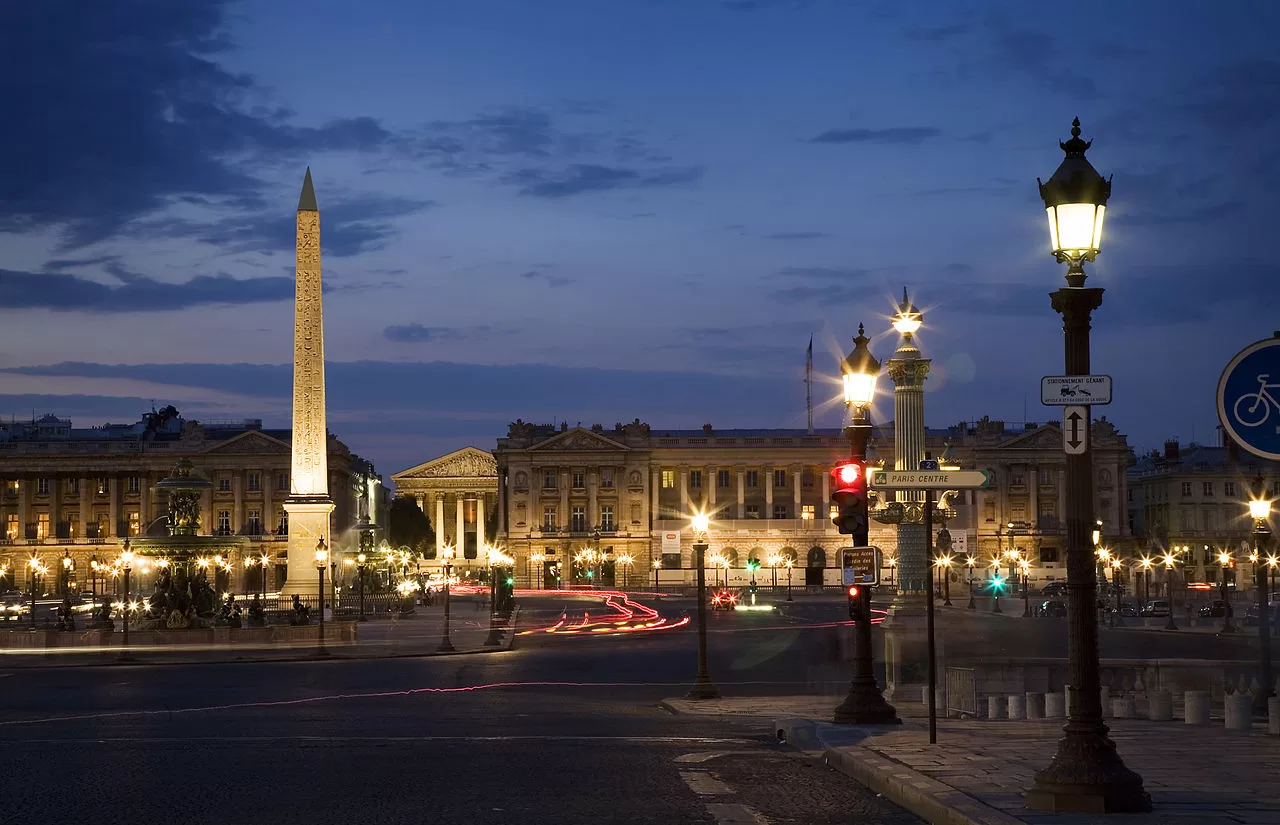
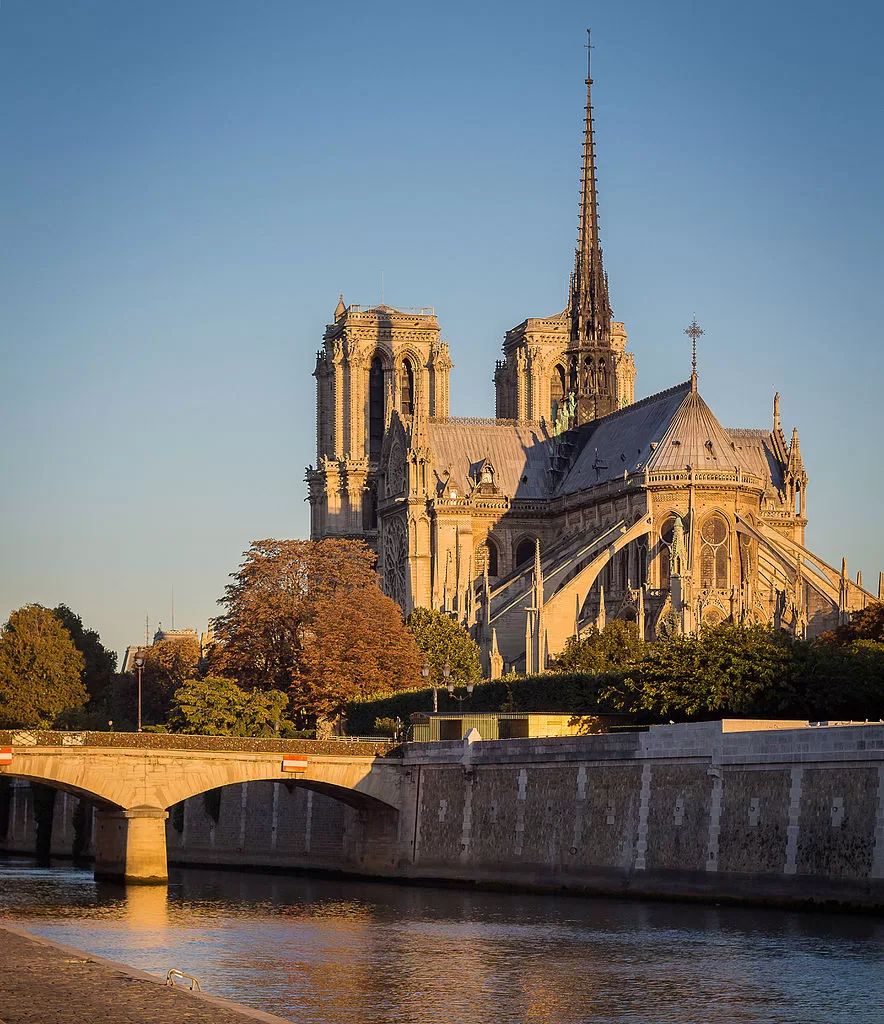
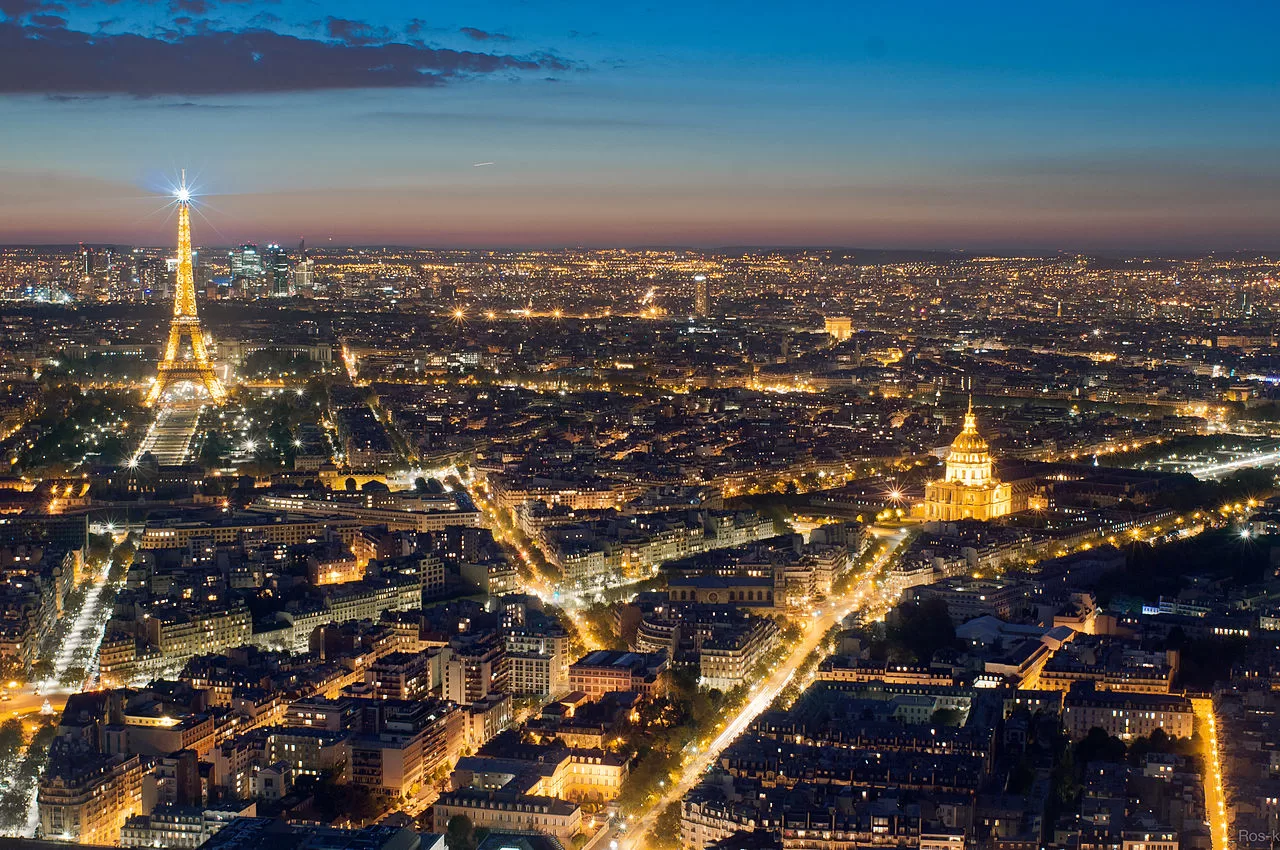
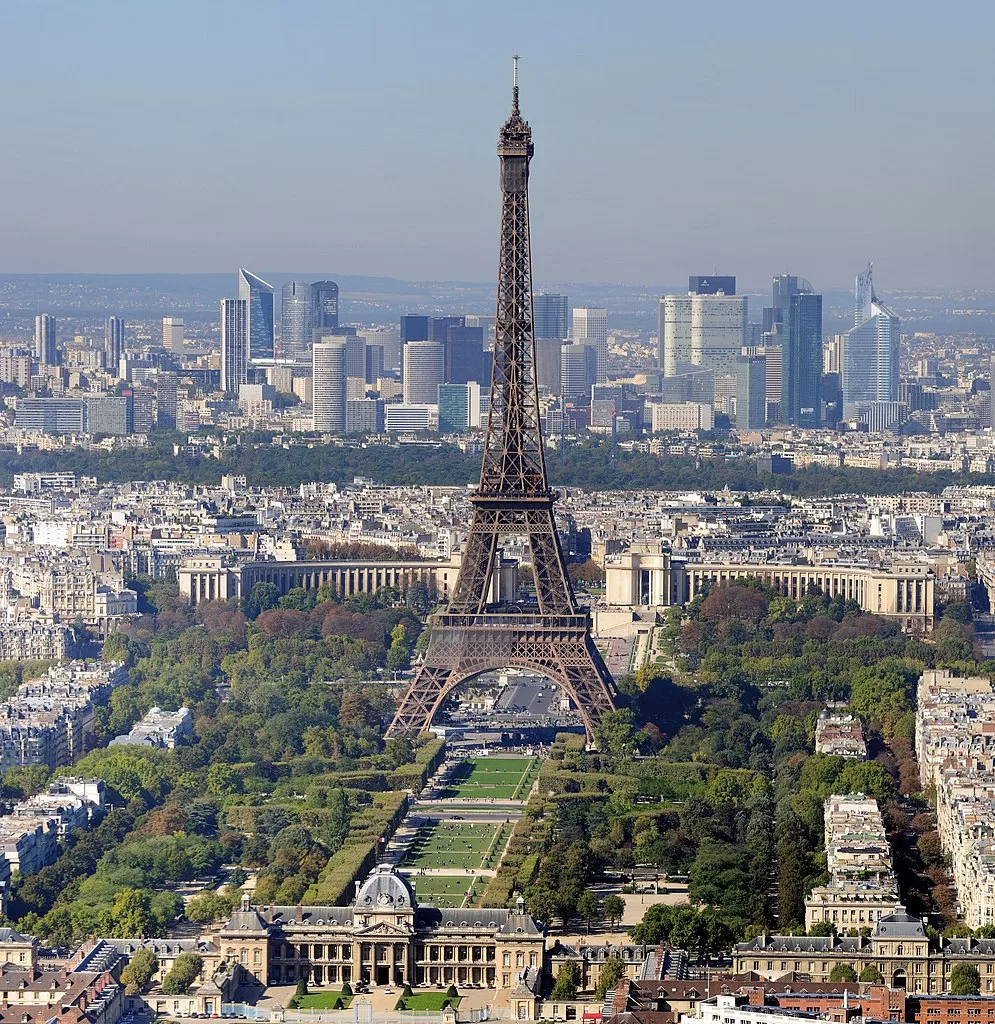
Paris consistently ranks among the top cities to visit in Europe for travelers seeking beauty, culture, and cuisine. The French capital captivates with its elegant boulevards and iconic landmarks.
The Eiffel Tower stands as the city’s most recognized symbol. For the best views, visit at sunset when the tower begins its hourly light show. Book tickets in advance to avoid long lines, especially during summer months.
Beyond the famous tower, Paris offers countless treasures. The Louvre Museum houses thousands of masterpieces, including the Mona Lisa. Nearby, the Notre-Dame Cathedral, which was devastated by the 2019 fire, has now been restored and reopened for visitors. Do not miss it.
Montmartre provides some of the best views of Paris from its hilltop position. The white-domed Sacré-Cœur Basilica crowns this artistic neighborhood. Wander the winding streets to find the squares where painters still set up their easels.
The best restaurants in Paris range from simple bistros to world-class establishments. For authentic French cuisine, try Le Comptoir du Relais in Saint-Germain. For something special, book a table at Le Jules Verne inside the Eiffel Tower.
Parisian café culture remains an essential experience in Paris. Spend an afternoon people-watching from a sidewalk table at Café de Flore or Les Deux Magots. Order a café crème and a croissant for the full effect.
A day trip from Paris opens up even more possibilities. The Versailles Palace showcases royal opulence just 40 minutes from the city. The gardens alone are worth the visit, especially during spring and summer.
The best way to experience Paris is on foot. The city is divided into 20 arrondissements (districts) that spiral outward from the center. Each area has its own character, from the high-end shops of the 8th to the bohemian vibe of the 11th.
- Must See: Eiffel Tower, Louvre Museum, Notre-Dame, Arc de Triomphe, Montmartre.
- Experience: Enjoy French cuisine, explore street artists in Montmartre, and visit famous museums.
- How to Reach: Fly to Charles de Gaulle or Orly Airport and take the RER or taxi to the city center.
Amsterdam, Netherlands
City of Canals and Cultural Treasures
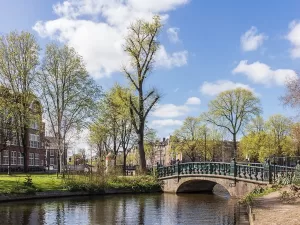
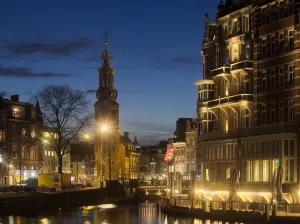
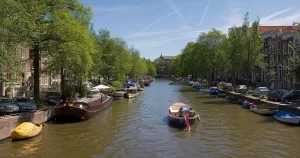
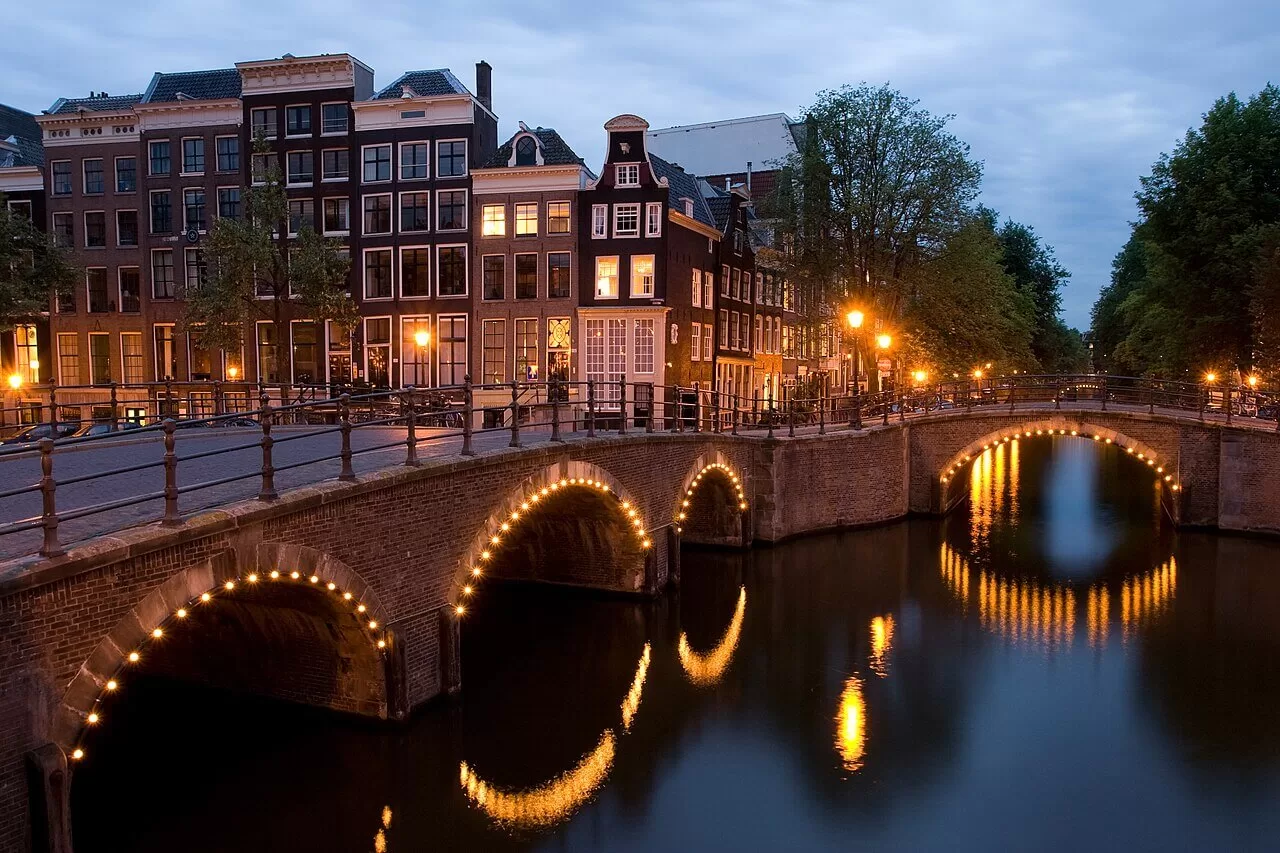
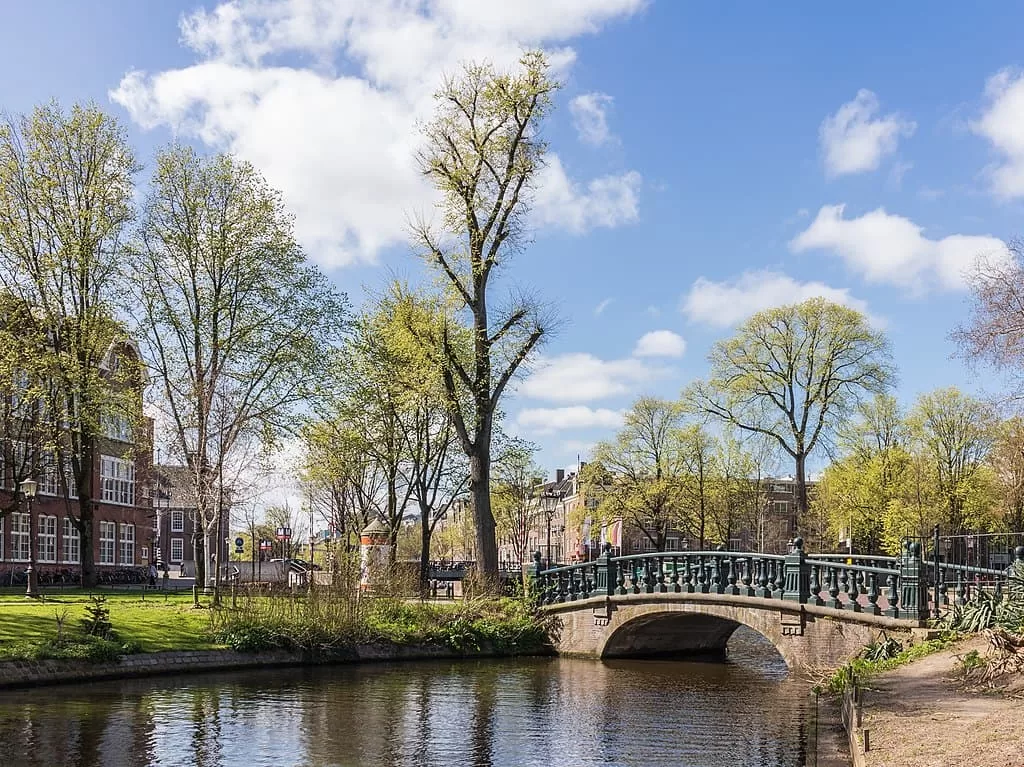
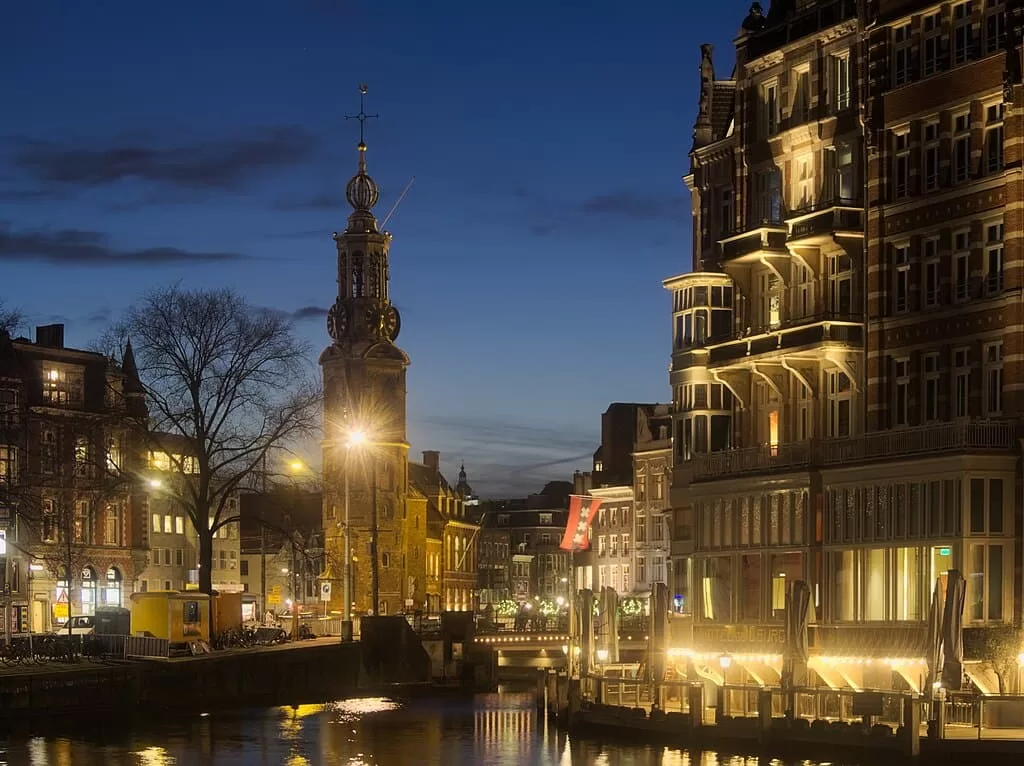
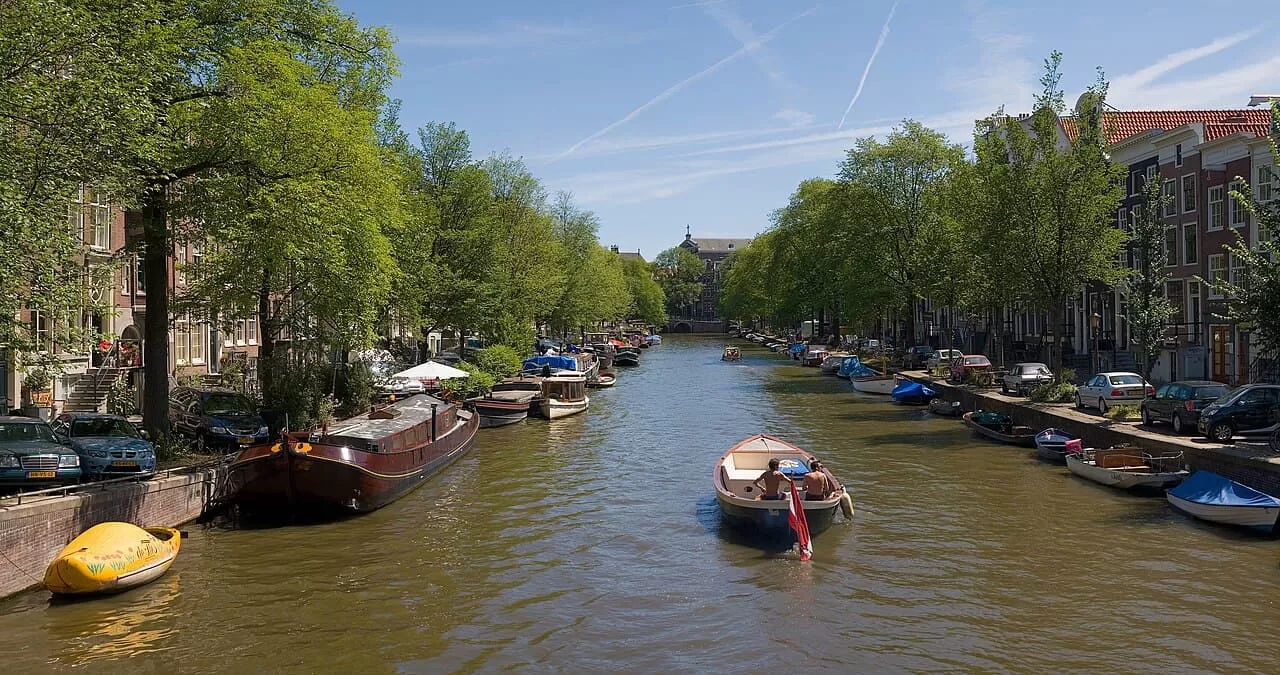
Amsterdam‘s picture-perfect canals and liberal atmosphere make it one of the best cities to visit in Europe. The Dutch capital offers a perfect blend of historic charm and modern energy.
The canal ring, a UNESCO World Heritage site, defines Amsterdam’s layout and beauty. More than 100 kilometers of canals and 1,500 bridges create a unique urban landscape. A canal cruise provides one of the best views of Amsterdam’s elegant 17th-century merchant houses.
The Rijksmuseum houses Dutch masterpieces, including Rembrandt’s “Night Watch” and works by Vermeer. Nearby, the Van Gogh Museum displays the world’s largest collection of paintings by the troubled genius. I suggest that you book your tickets online to avoid long lines at these popular attractions.
Amsterdam’s compact size makes it perfect for exploration on foot or by bicycle. The city boasts more bikes than people, with dedicated lanes throughout. Rent a bike to experience Amsterdam like a local, but be careful—locals ride fast and follow their own rules.
The Anne Frank House offers a moving glimpse into history. This museum preserves the actual hiding place where Anne Frank wrote her famous diary during World War II. Again, due to high demand, you must purchase your tickets months in advance.
Amsterdam’s Jordaan district presents the city’s most charming neighborhood. Once a working-class area, it now features boutique shops, cozy cafés, and hidden courtyards. Saturday’s Noordermarkt organic farmers market draws locals and visitors alike.
Vondelpark serves as Amsterdam’s green heart and social hub. This 120-acre public park hosts free summer concerts, outdoor theater, and countless picnics. On sunny days, it seems the entire city gathers here to relax.
Dutch cuisine might not be world-famous, but Amsterdam offers delicious local specialties. Try bitterballen (fried meat croquettes) with mustard at traditional brown cafés. For something sweet, sample stroopwafels (syrup waffles) from street vendors or Albert Cuyp Market.
- Must See: Rijksmuseum, Van Gogh Museum, Anne Frank House, Jordaan district, Vondelpark.
- Experience: Explore canals, visit famous museums, enjoy cycling culture, and try local cuisine like stamppot and stroopwafel.
- How to Reach: Fly to Amsterdam Schiphol Airport and take the train or bus to the city center.
Barcelona, Spain
Mediterranean Beauty and Architectural Wonder
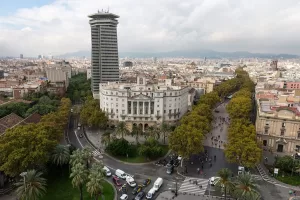
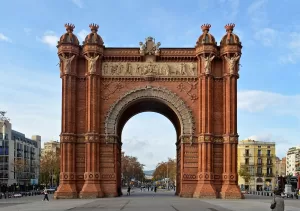
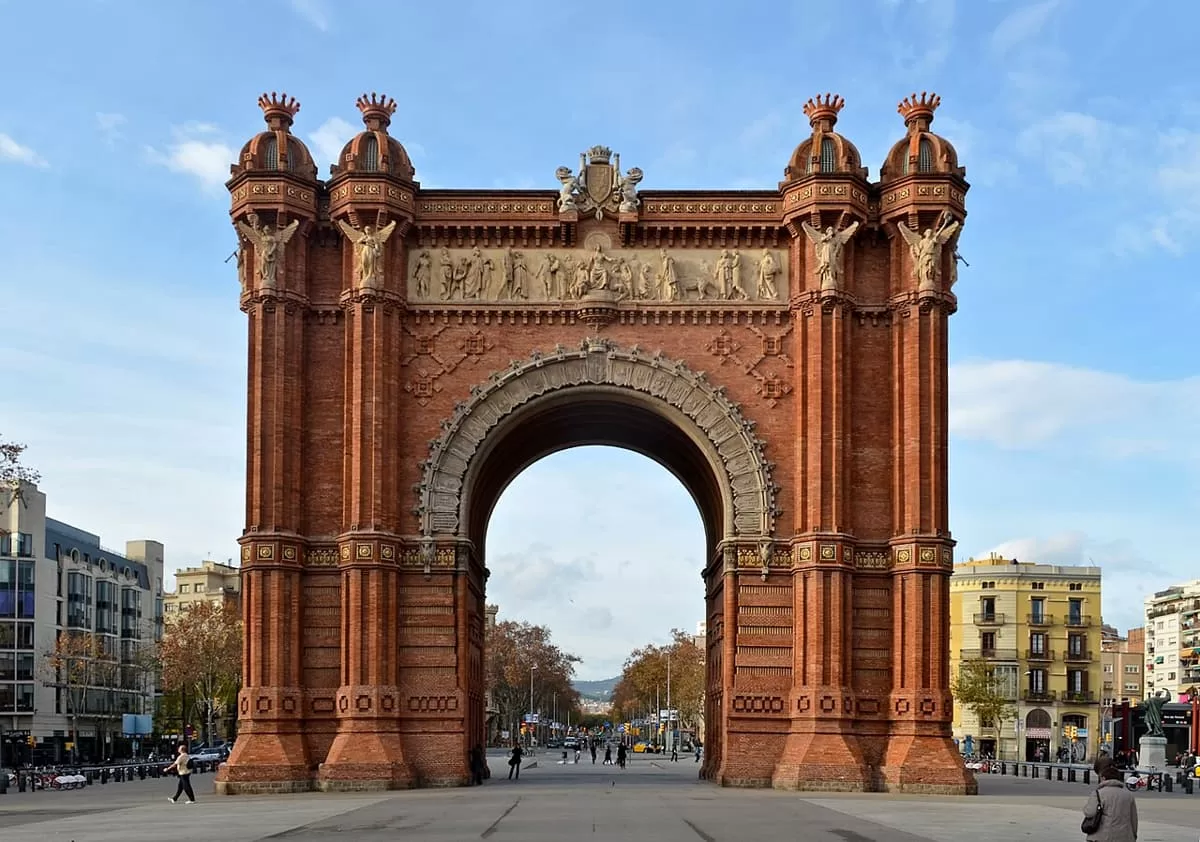
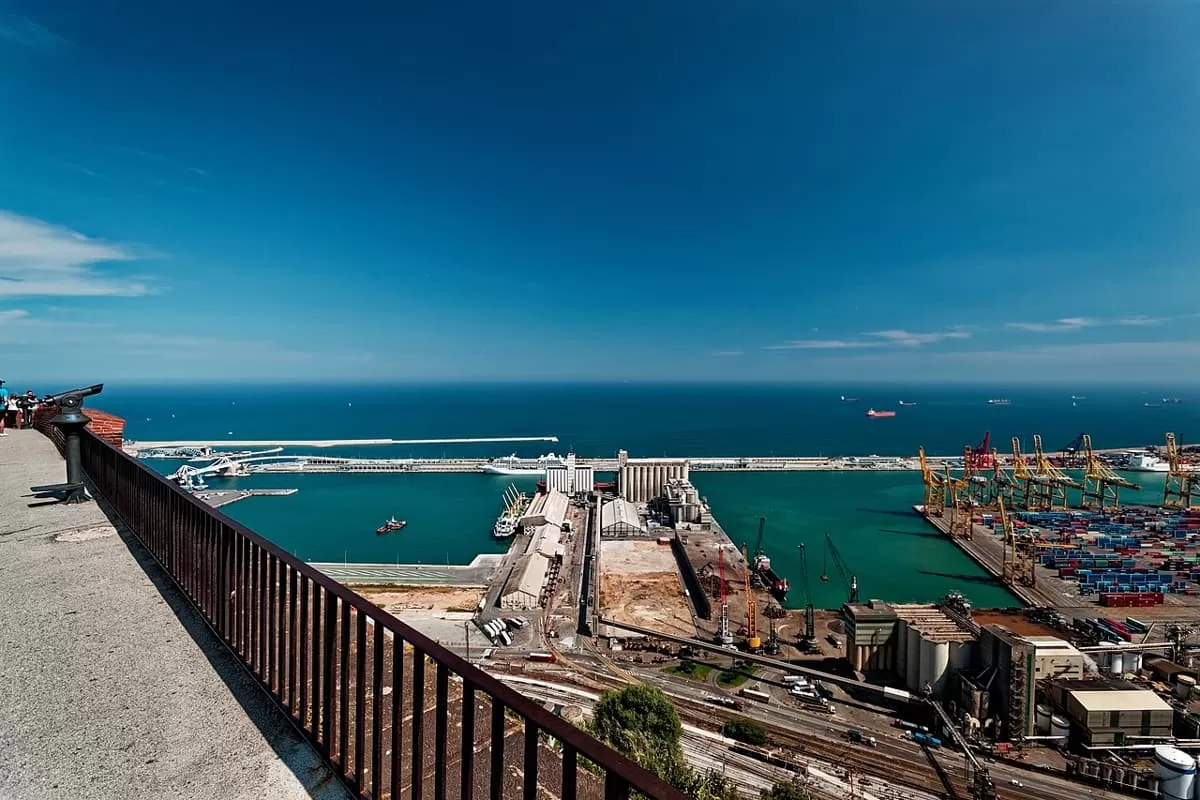
Barcelona combines Mediterranean charm with unique architecture, making it one of the best cities to visit in Europe. This Spanish coastal gem balances beach life with cultural riches.
Antoni Gaudí‘s works define Barcelona’s skyline. The unfinished Sagrada Família basilica remains his masterpiece. Construction began in 1882 and continues today, with completion expected by 2035. The interior’s tree-like columns and colorful light effects amaze visitors.
Park Güell showcases more of Gaudí’s imaginative designs with mosaics, curved benches, and fairytale buildings. Originally planned as a housing development, it’s now a public park offering some of the best views of Barcelona.
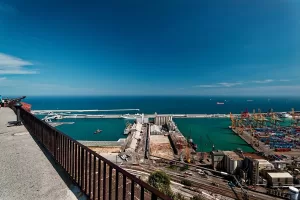
The Mediterranean Sea shapes Barcelona’s identity. Barceloneta Beach provides urban sun and sand just minutes from downtown. The boardwalk buzzes with activity year-round, from joggers to musicians to food vendors.
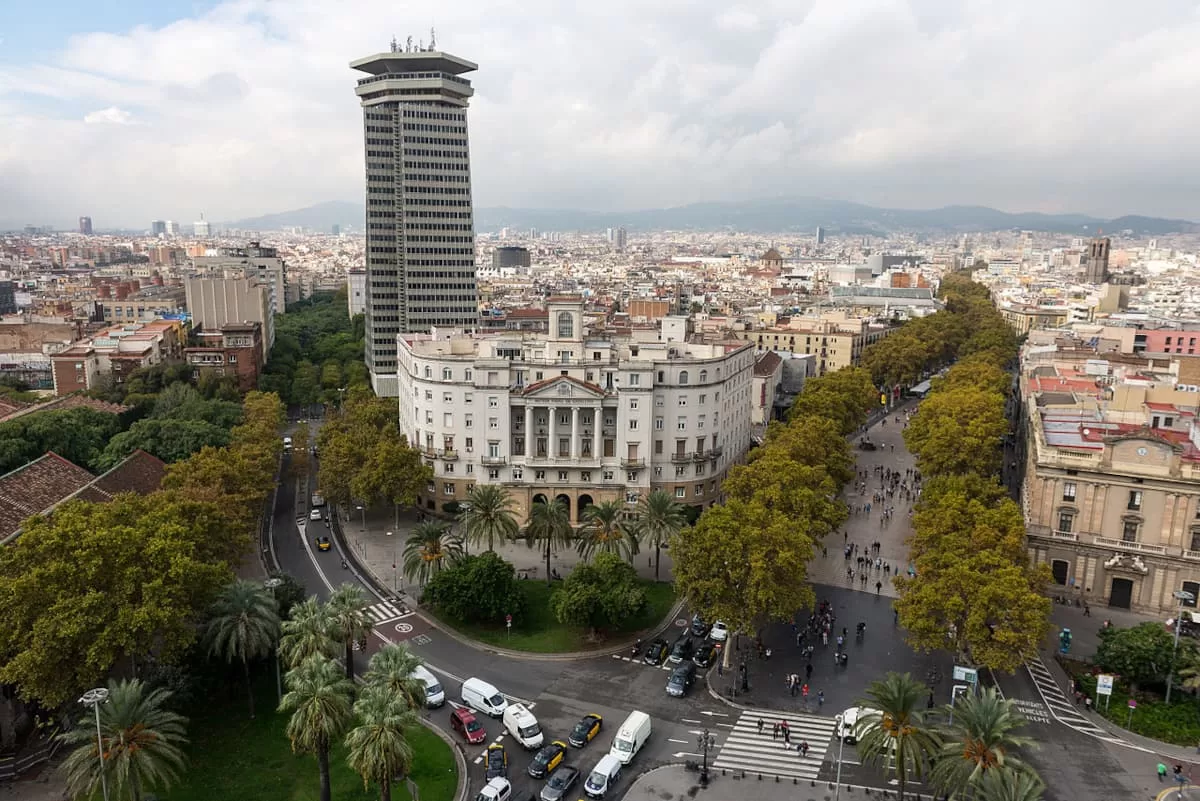
La Rambla serves as Barcelona’s most famous street. This tree-lined pedestrian boulevard stretches from Plaça de Catalunya to the waterfront. Street performers, flower stands, and outdoor cafés create a lively atmosphere day and night.
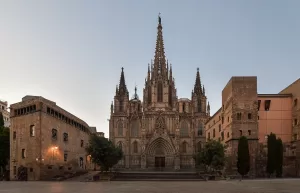
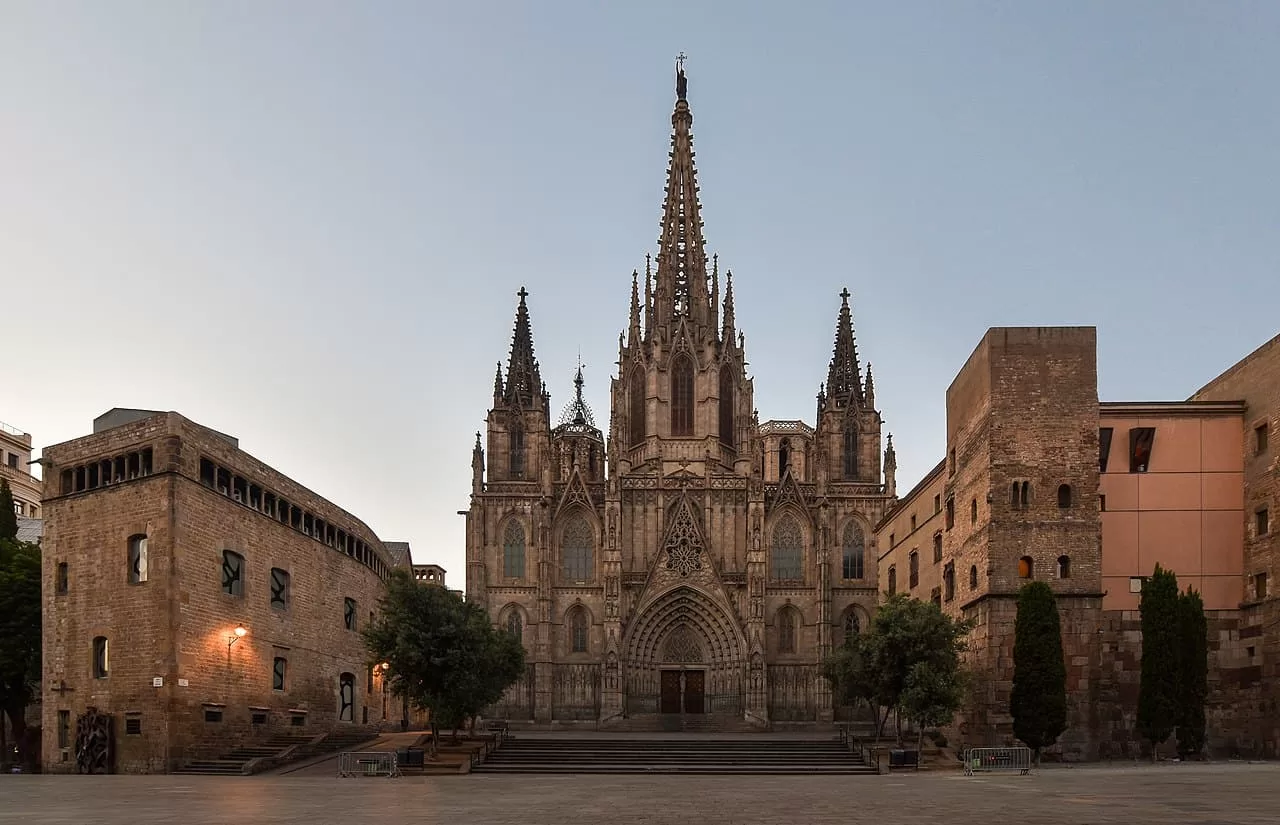
The Gothic Quarter reveals Barcelona’s medieval heart. Narrow stone streets lead to hidden squares and ancient churches. The Barcelona Cathedral dates back to the 13th century and features a peaceful cloister with 13 geese, representing the age of martyr Saint Eulalia.
Barcelona’s food scene celebrates Catalan cuisine. Try Cinc Sentits, a two-Michelin-starred establishment, led by chef Jordi Artal, or Gaig, another restaurant specializing in traditional Catalan cuisine, that has maintained its Michelin star since 1993.
Other best restaurants in Barcelona include Els Quatre Gats, once frequented by Picasso, and Los Caracoles, one of Barcelona’s oldest restaurants, established in 1835. The La Boqueria Market dazzles with fresh produce, seafood, and local specialties.
This popular destination balances historic treasures with modern amenities. The efficient metro system makes getting around easy. Consider purchasing the Barcelona Card for unlimited public transportation and free or discounted museum entry.
- Must See: Sagrada Familia, Park Güell, La Rambla, Barceloneta Beach, Gothic Quarter.
- Experience: Enjoy Mediterranean beaches, explore Gaudí’s architecture, and immerse in Catalan culture with tapas and paella.
- How to Reach: Fly to Barcelona El Prat Airport and take the metro or bus to the city center.
Dublin, Ireland
Literary Legacy and Legendary Hospitality

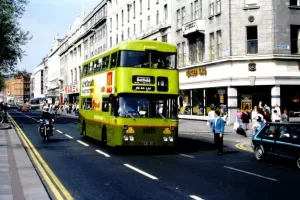
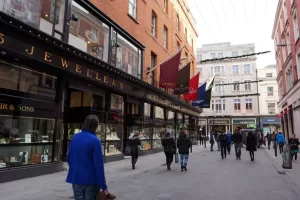
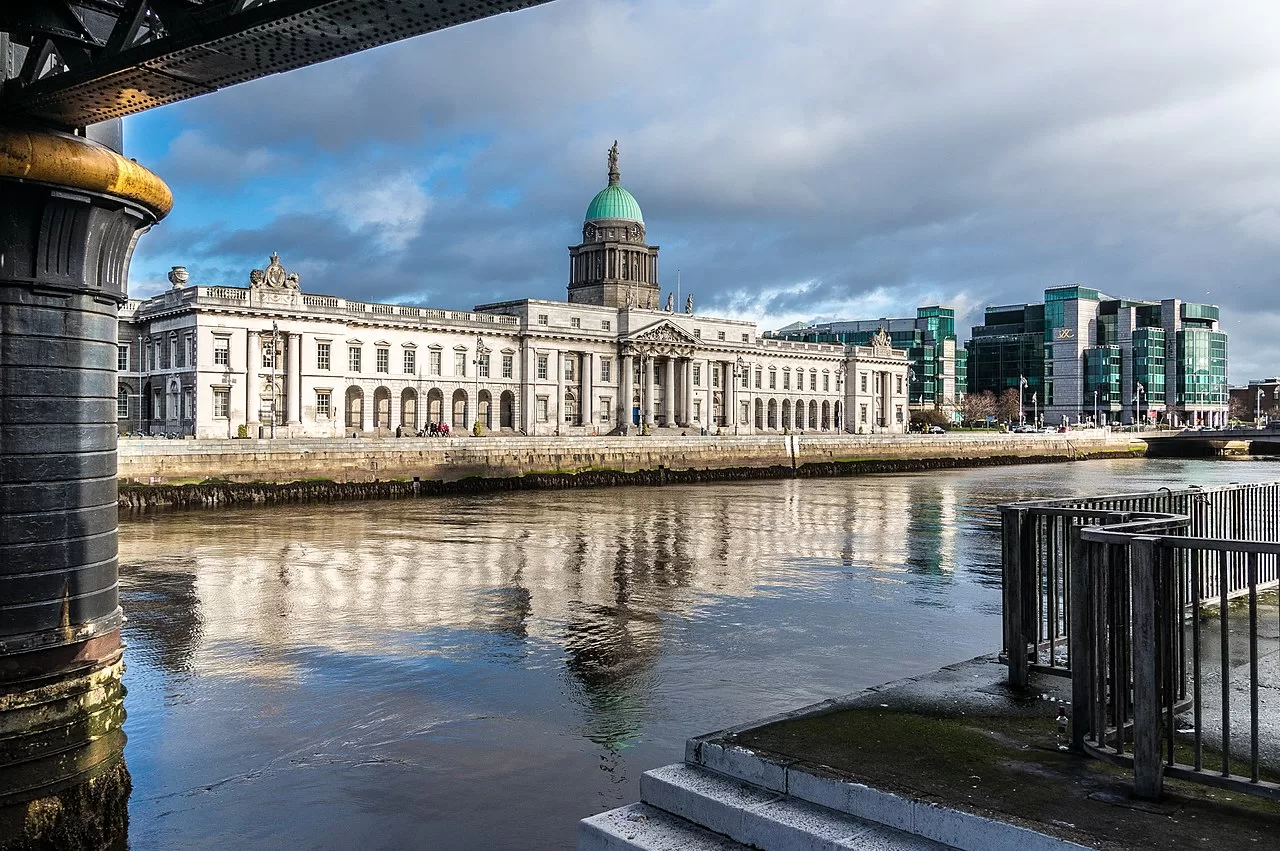
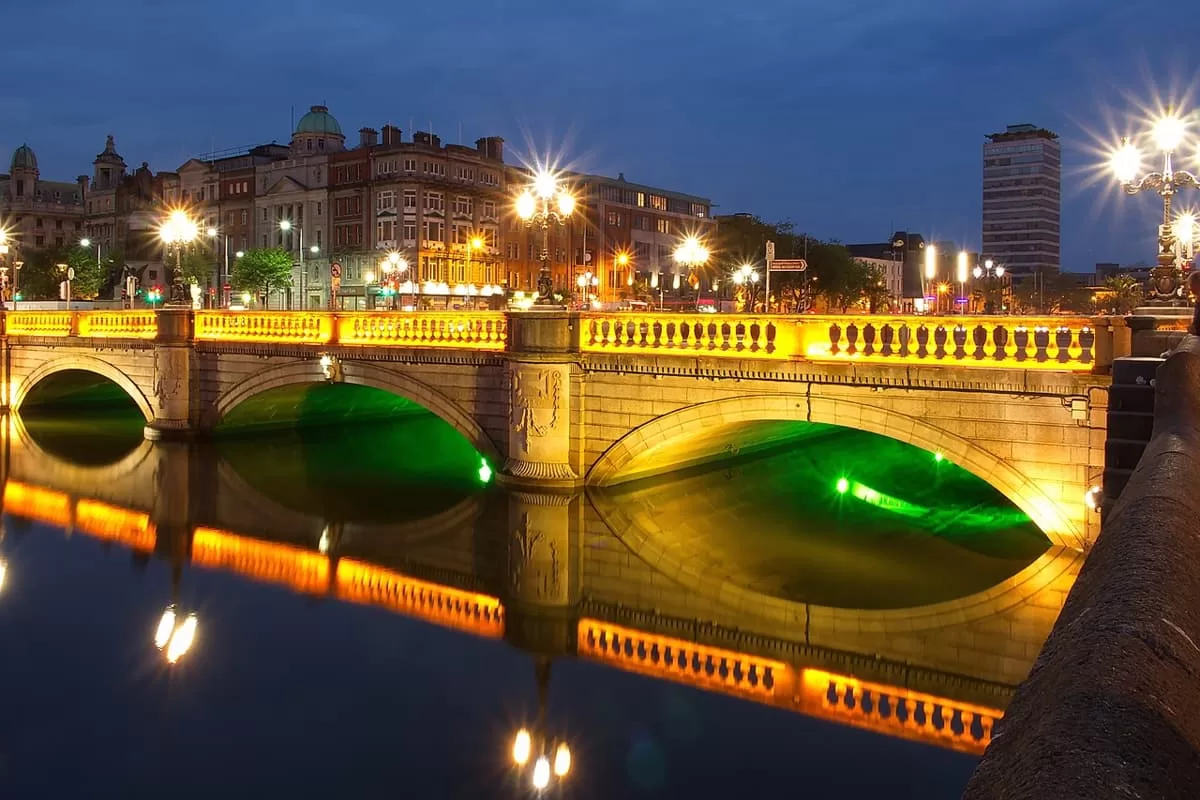
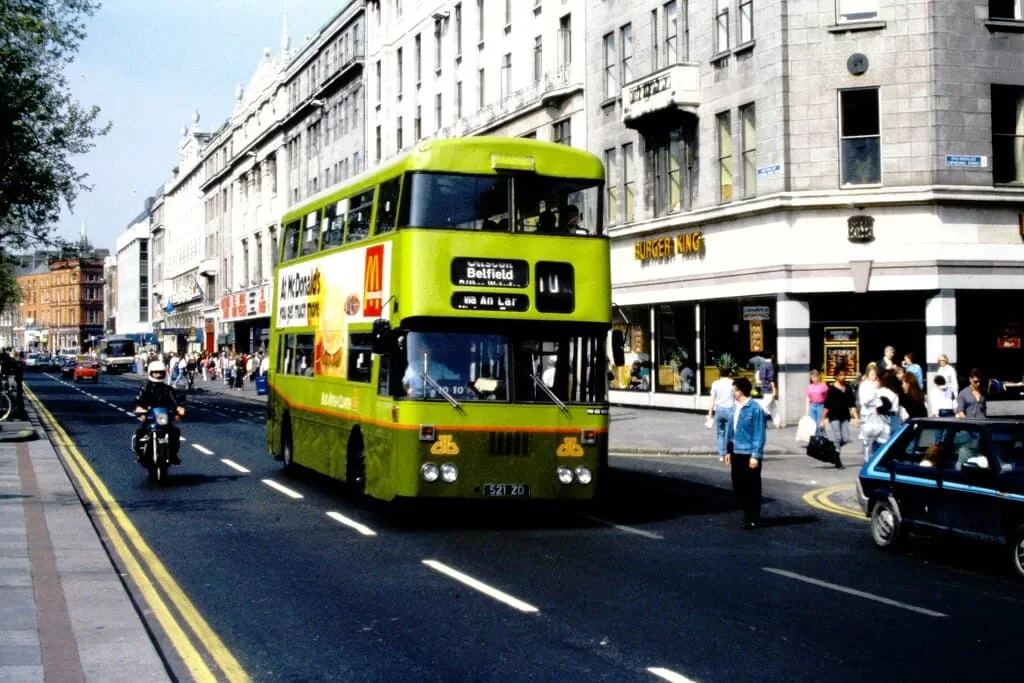
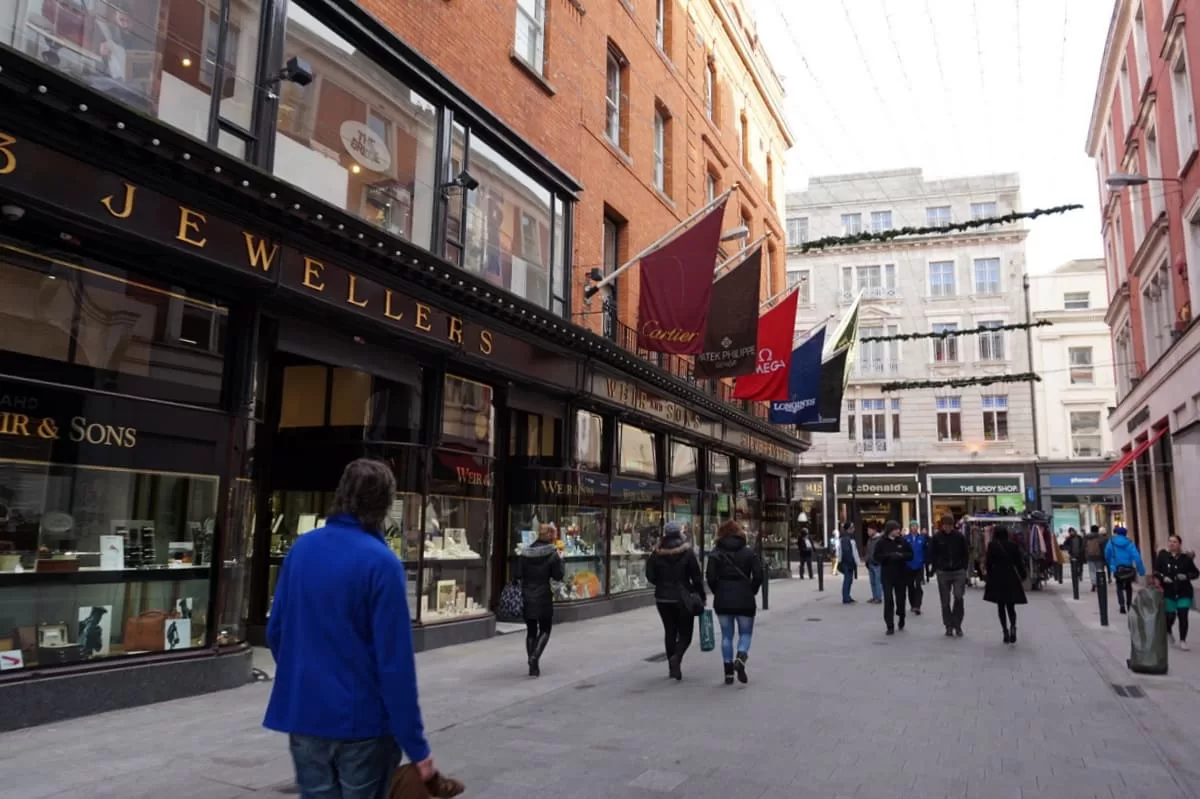
Dublin stands out among the best cities to visit in Europe for its warm welcome and rich cultural heritage. Ireland’s capital combines literary history with legendary pub culture.
Trinity College houses the breathtaking Long Room library and the ancient Book of Kells. This illuminated manuscript from around 800 AD represents one of Ireland’s greatest cultural treasures. The college itself, founded in 1592, offers beautiful grounds for a peaceful stroll.
The Guinness Storehouse ranks as Dublin’s most popular attraction. This seven-story experience explores the history and making of Ireland’s famous dark stout. The tour culminates at the Gravity Bar, offering panoramic views of Dublin with a perfectly poured pint.
Dublin Zoo recently unveiled the Zoorassic Trail, featuring over 40 animatronic dinosaurs, enhancing its appeal to visitors.
Dublin’s literary heritage includes Nobel Prize winners and beloved storytellers. The Dublin Writers Museum and James Joyce Centre celebrate this legacy. For a more immersive experience, join a literary pub crawl that combines readings with refreshments at historic pubs.
The Temple Bar district serves as Dublin’s cultural quarter and nightlife hub. While somewhat touristy, its cobblestone streets lined with colorful pubs offer traditional music sessions nightly. For a more authentic experience, venture to neighborhood pubs like The Cobblestone or O’Donoghue’s.
St. Patrick’s Cathedral stands as Ireland’s largest church, dating from 1220. Jonathan Swift, author of “Gulliver’s Travels,” once served as dean here. The adjacent park provides a peaceful spot to rest between sightseeing adventures.
Also, do not miss EPIC The Irish Emigration Museum: This museum offers interactive exhibits detailing the history of Irish emigration and was voted Europe’s Leading Tourist Attraction in 2019, 2020, and 2021.
The National Botanic Gardens, located in Glasnevin, house approximately 20,000 living plants and are among Ireland’s most visited free attractions.
Irish cuisine has evolved beyond traditional stews. Dublin now boasts excellent restaurants highlighting local ingredients. Try modern Irish cuisine at The Winding Stair or enjoy seafood at Fish Shop.
For traditional fare, head to The Boxty House for potato pancakes and Irish stew. Leo Burdock’s, a renowned fish and chip shop visited by numerous celebrities and praised by chefs like Rick Stein, is also a must-try.
Dubliners pride themselves on their friendliness and conversation skills. Don’t be surprised if locals strike up a chat at pubs or shops. This genuine warmth makes Dublin one of the most welcoming cities to visit in Europe.
- Must See: Trinity College, Book of Kells, Guinness Storehouse, Temple Bar, Kilmainham Gaol.
- Experience: Enjoy traditional pubs with live music, explore literary heritage, and sample Irish cuisine like Irish stew.
- How to Reach: Fly to Dublin Airport and take a bus (like Aircoach and Dublin Bus) to the city center.
Rome, Italy
The Eternal City of Ancient Wonders
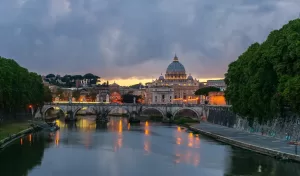
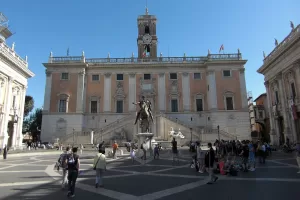
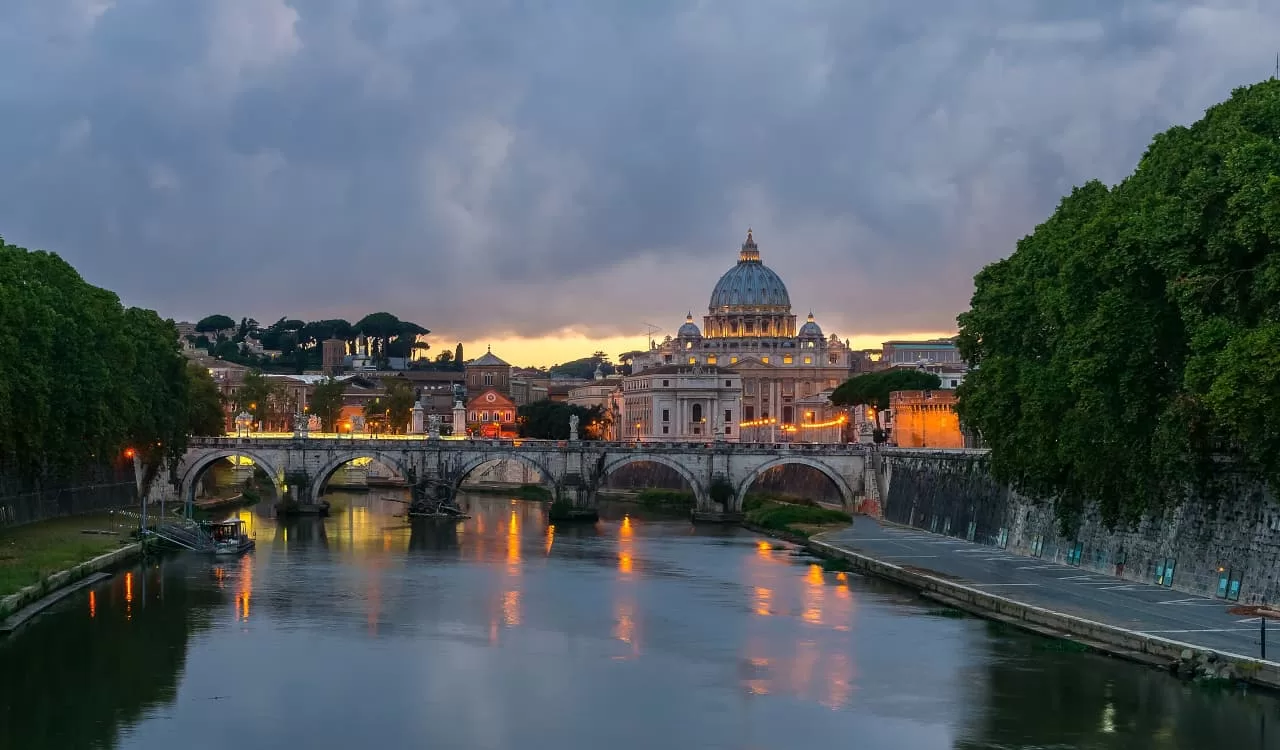
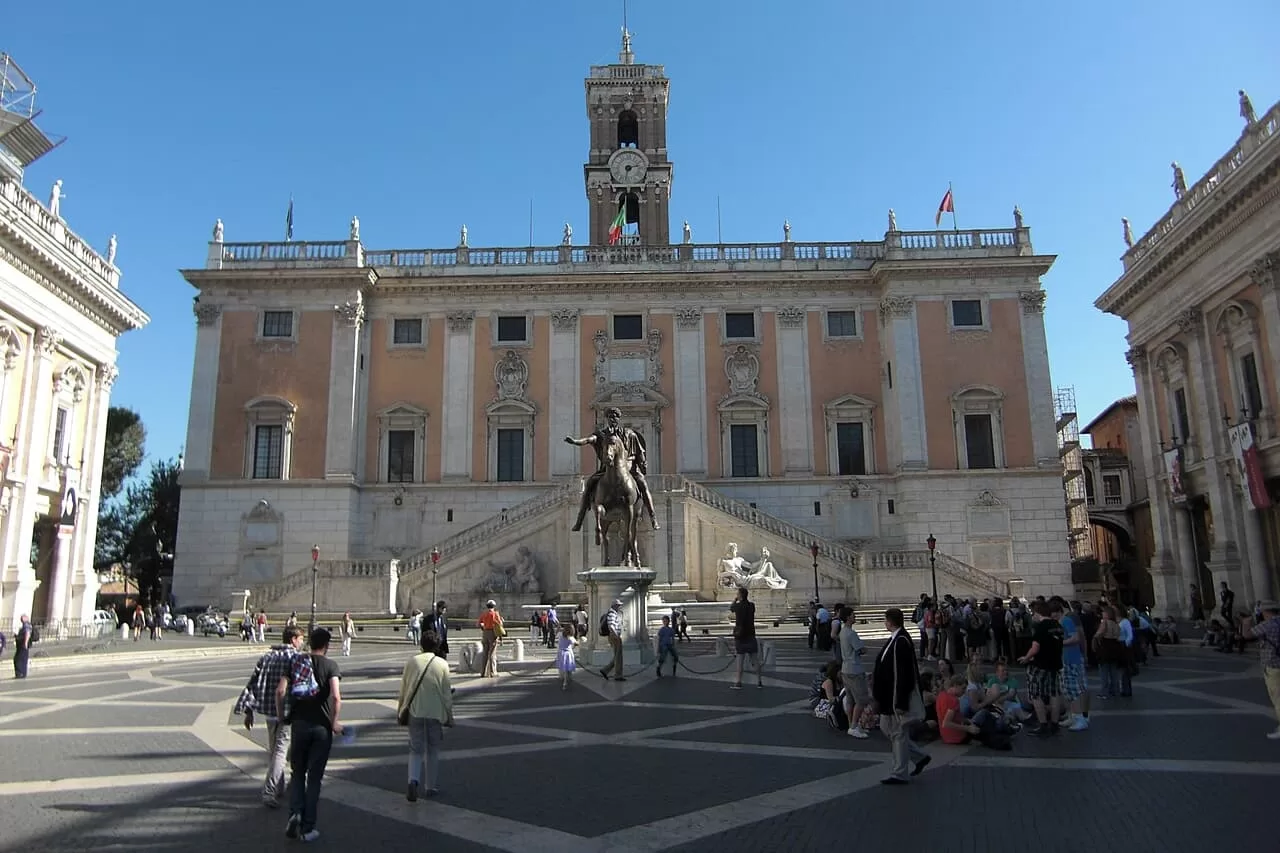
Rome ranks among the most essential cities to visit in Europe, with thousands of years of history layered throughout its streets. The Italian capital overwhelms visitors with its archaeological treasures and passionate atmosphere.
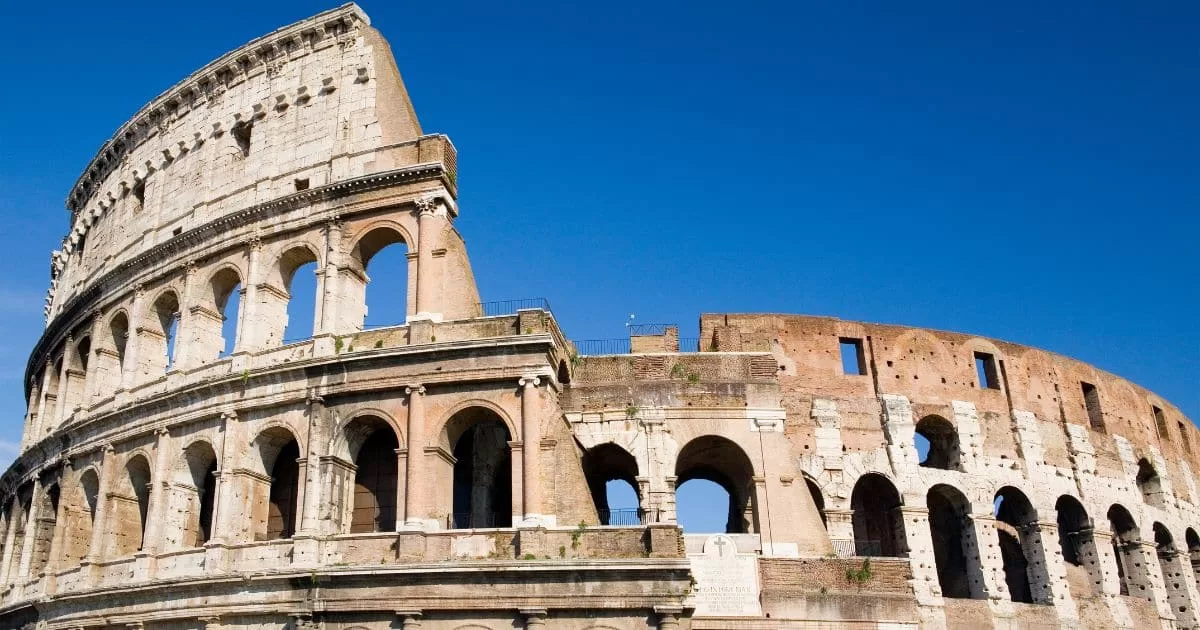
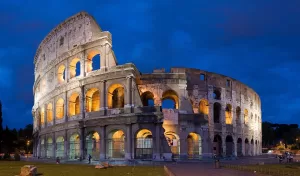
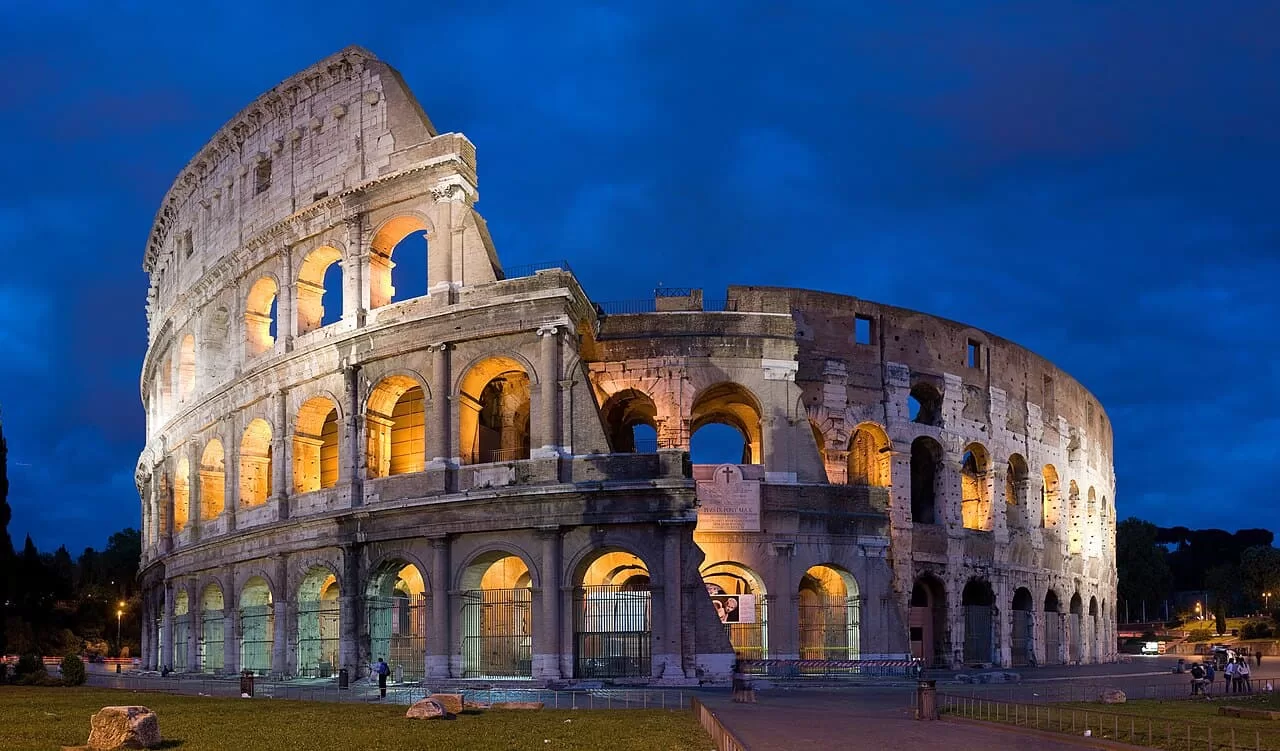
The Colosseum stands as Rome’s most iconic landmark. This massive amphitheater, completed in 80 AD, once hosted gladiatorial contests and public spectacles. Nearby, the Roman Forum and Palatine Hill reveal the heart of the ancient empire with temples, basilicas, and palaces.
Vatican City, the world’s smallest independent state, houses incredible artistic masterpieces. St. Peter’s Basilica dazzles with its massive dome designed by Michelangelo. The Vatican Museums lead to the Sistine Chapel, where Michelangelo’s ceiling frescoes leave visitors awestruck.
Rome’s piazzas offer the perfect places to experience daily Italian life. Piazza Navona features baroque fountains and street artists. Campo de’ Fiori transforms from a morning market to an evening gathering spot. The Spanish Steps provide the perfect perch for people-watching.
The Pantheon remains Rome’s best-preserved ancient building. Its perfect proportions and engineering marvel of a dome have influenced architects for centuries. The oculus, an open hole at the dome’s center, allows a dramatic shaft of light to move across the interior.
Roman cuisine celebrates simplicity and quality ingredients. Try classic pasta dishes like cacio e pepe (cheese and pepper) or carbonara at traditional trattorias. For the best gelato, seek out artisanal shops using natural ingredients like Fatamorgana or Giolitti.
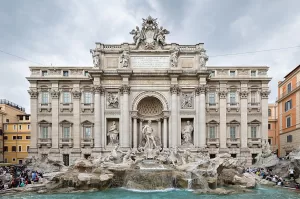
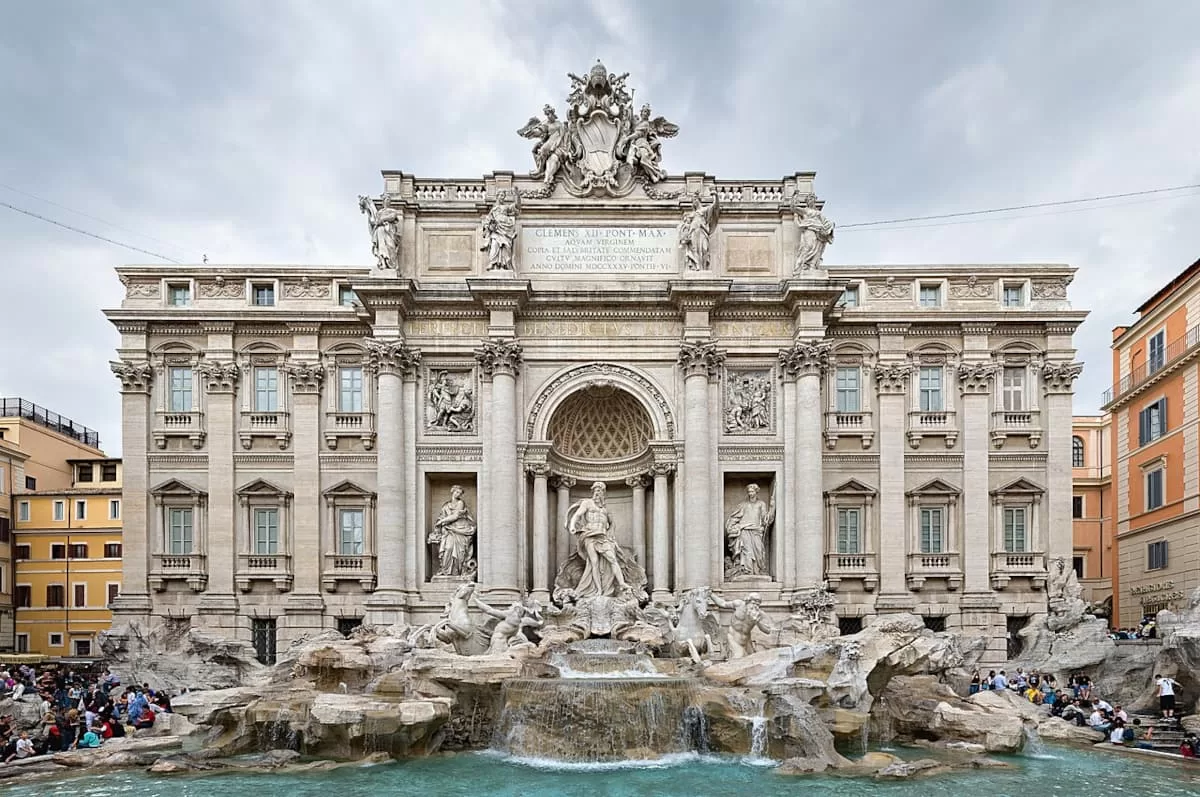
The Trevi Fountain draws crowds hoping to ensure their return to Rome. Toss a coin over your shoulder into the baroque masterpiece, and tradition says you’ll come back. Over €1.6 million is collected annually and donated to charity.
Rome requires comfortable walking shoes and patience. The historic centro storico (historic center) packs countless attractions within walking distance. However, summer crowds and heat can be challenging. Consider visiting in spring or fall for a more pleasant experience.
- Must See: Colosseum, Vatican City (Vatican Museums, Sistine Chapel), Roman Forum, Pantheon.
- Experience: Explore ancient ruins, indulge in Italian cuisine like pasta and pizza, and enjoy lively piazzas.
- How to Reach: Fly to Rome’s Leonardo da Vinci International Airport, (commonly known as Fiumicino Airport) and take the Leonardo Express train or a regional train to the city center.
Lisbon, Portugal
Colorful Capital of Discovery and Tradition
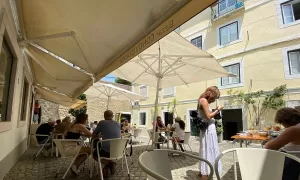
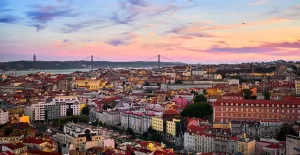
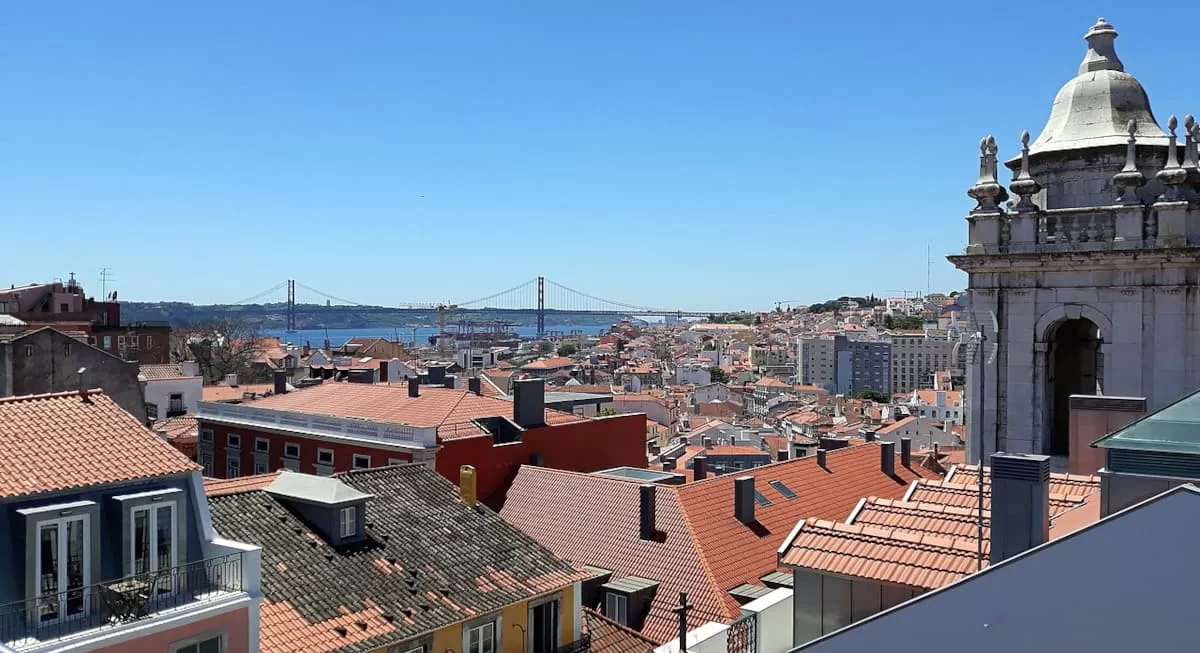
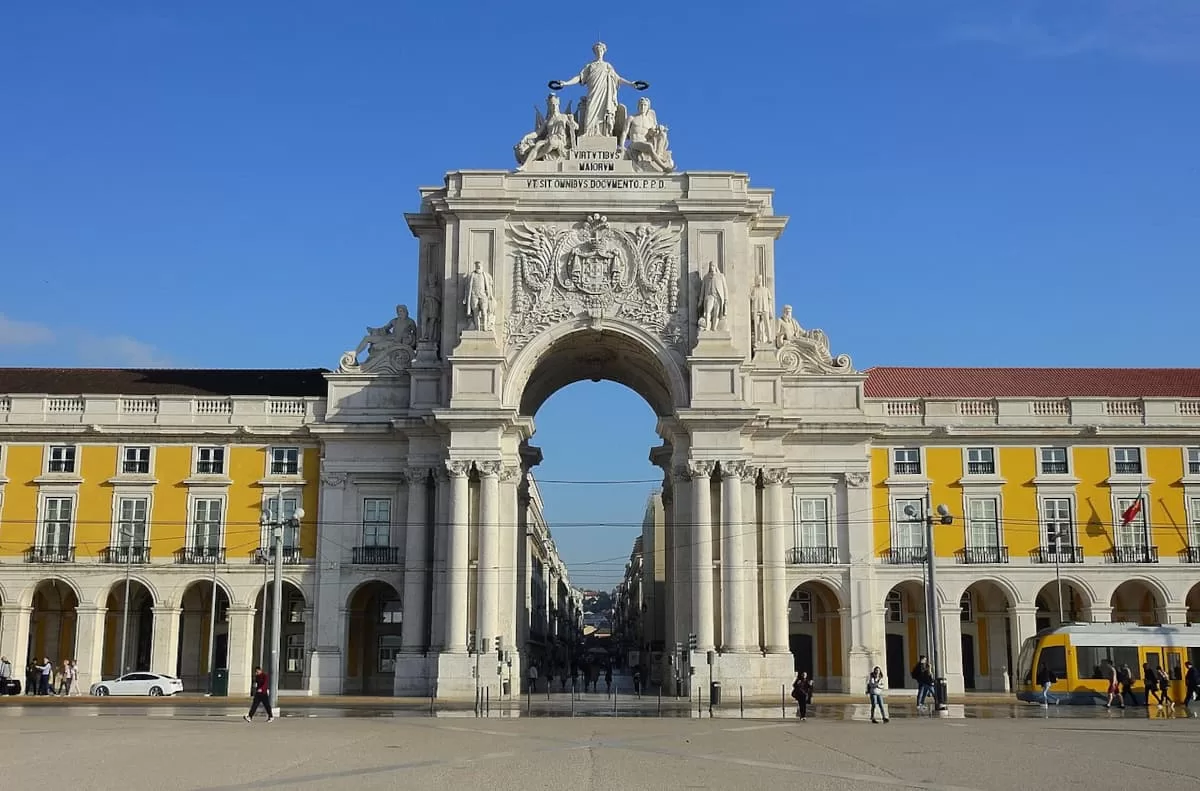
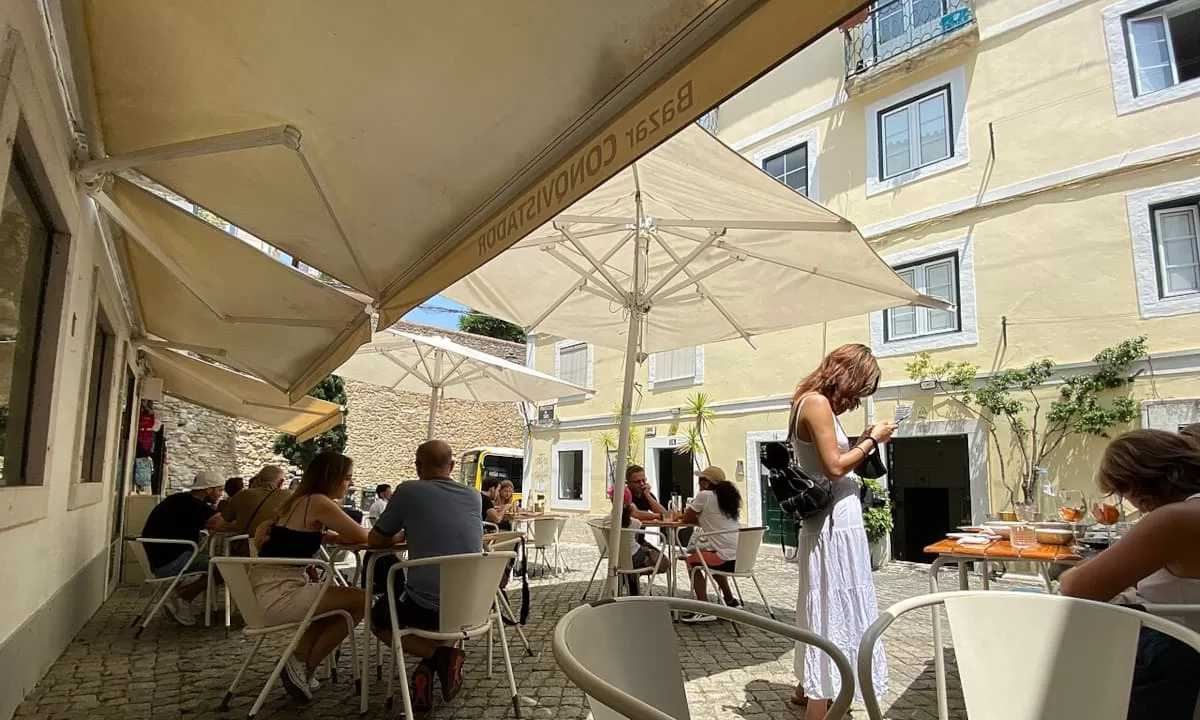
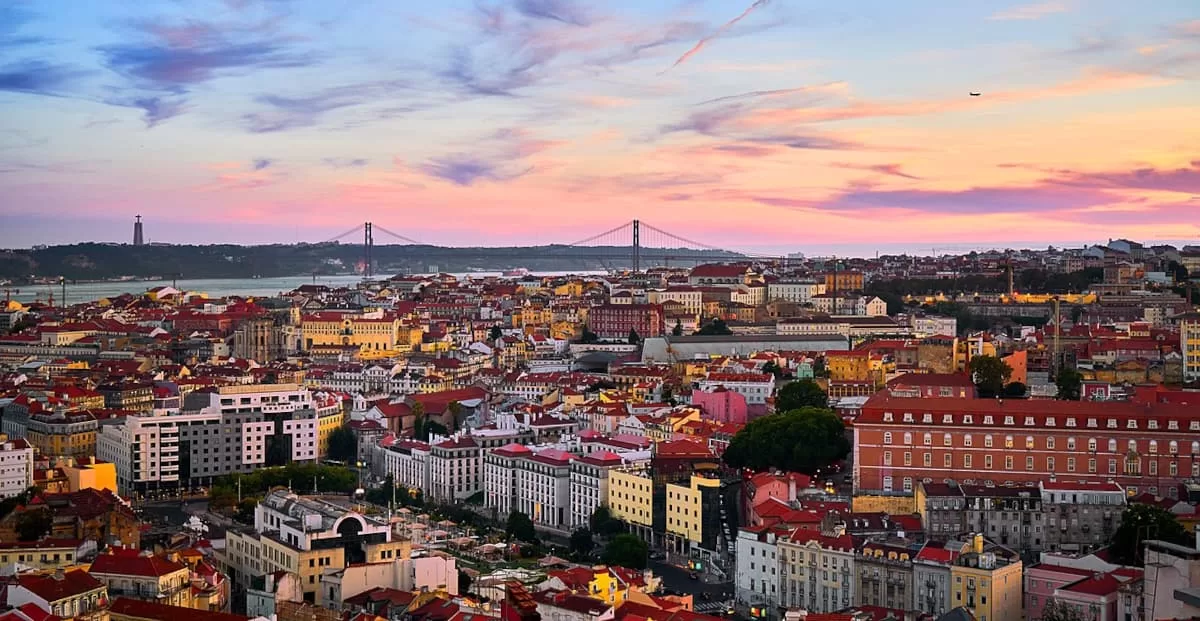
Lisbon ranks among the best cities to visit in Europe for its blend of historic charm and affordable experiences. Portugal’s capital combines colorful architecture, rich maritime history, and a relaxed Mediterranean atmosphere.
The Alfama district reveals Lisbon’s ancient heart with narrow, winding streets and traditional homes. This hillside neighborhood survived the devastating 1755 earthquake that destroyed much of the city. Fado music, Portugal’s soulful traditional genre, echoes from small venues throughout this atmospheric quarter.
Belém district showcases Portugal’s Age of Discovery glory. The ornate Jerónimos Monastery exemplifies the uniquely Portuguese Manueline architectural style. Nearby, the iconic Belém Tower once guarded the harbor entrance. The area also houses the original pastéis de nata bakery, where monks created the famous custard tarts in the 1800s.
São Jorge Castle crowns Lisbon’s highest hill, offering panoramic views across the red-tiled rooftops to the Tagus River. These fortifications date to Moorish times, though different cultures have occupied this strategic position since ancient times.
Lisbon’s famous yellow Tram 28 provides both transportation and sightseeing. This vintage streetcar navigates steep hills and narrow passages through the most historic districts. Grab a seat early in the morning to avoid the crowds that gather by midday.
The riverfront Praça do Comércio serves as Lisbon’s grandest square. Once the site of the royal palace before the earthquake, today it functions as a gateway between the city and the water. The triumphal arch leads to the pedestrianized Rua Augusta shopping street.
Lisbon’s culinary scene celebrates seafood and Portuguese specialties at reasonable prices. The renovated Mercado da Ribeira houses Time Out Market, a gathering place for top local chefs. For authentic local dining, seek out small tascas serving dishes like bacalhau (salt cod) prepared dozens of different ways.
The city’s seven hills provide numerous miradouros (viewpoints) offering different perspectives on the cityscape. Sunset at Miradouro da Senhora do Monte or Miradouro de Santa Catarina delivers unforgettable vistas with locals and visitors gathering to enjoy the changing colors over the river.
- Must See: Belém Tower, Jerónimos Monastery, São Jorge Castle, Alfama district, Time Out Market, LX Factory.
- Experience: Ride historic tram 28, listen to traditional Fado music in Alfama, sample pastéis de nata (custard tarts), and enjoy panoramic viewpoints (miradouros) across the seven hills.
- How to Reach: Fly to Lisbon Portela Airport and take the metro or AeroBus to the city center. Trains connect Lisbon to other major Portuguese cities and Madrid.
Frequently Asked Questions
What is the best time to visit Western Europe?
The ideal times to visit Western European cities are late spring (May-June) and early fall (September-October). These seasons offer pleasant temperatures, fewer crowds, and lower prices than summer. However, each city has unique seasonal attractions, such as Christmas markets in December or garden displays in April.
How much should I budget for Western European cities?
Western Europe tends to be more expensive than Eastern or Central Europe. Budget travelers should plan for €100-150 per day, including accommodation, food, and attractions. Mid-range travelers might spend €150-250 daily, while luxury experiences can cost €300+. London, Paris, and Amsterdam typically rank among the most expensive cities.
Is English widely spoken in Western European cities?
English is widely spoken in tourist areas of Western European cities, especially in London, Amsterdam, and Dublin. In Paris, Barcelona, and Rome, you’ll find English speakers at hotels, attractions, and restaurants, though learning a few basic local phrases is appreciated and helpful in more authentic neighborhoods.
What’s the best way to get around Western European cities?
Public transportation is excellent in most Western European cities. Metro systems in London, Paris, and Barcelona are extensive and efficient. Amsterdam is best explored by foot or bicycle. Most cities offer tourist cards combining transportation and attraction discounts. Taxis and ridesharing are available but more expensive.
Your Western European Adventure Awaits
Western Europe offers some of the best cities to visit in Europe for first-time travelers and returning visitors alike. From London’s royal heritage to Rome’s ancient ruins, each destination presents a unique blend of history, culture, and modern experiences.
The cities in this guide represent just the beginning of what Western Europe has to offer. Consider adding smaller towns and countryside excursions to complement your urban adventures. The contrast between bustling city centers and peaceful rural landscapes creates a well-rounded European experience.
In our next article, we’ll explore the top cities to visit in Europe’s central and eastern regions. These destinations often provide excellent value, fewer crowds, and equally impressive cultural experiences. From the fairytale spires of Prague to the thermal baths of Budapest, Eastern Europe offers incredible diversity for travelers.
What Western European city tops your travel list? Share your thoughts and questions in the comments below. Whether you’re planning your first European adventure or returning to explore more deeply, Western Europe’s cities offer endless possibilities for discovery.