
Are you ready to go beyond the usual tourist trail? Central and Eastern Europe offer some of the continent’s most rewarding travel experiences. From fairytale architecture to complex history, these regions present an intriguing mix of familiar comforts and exciting discoveries.
In this second article of our three-part series, we’ll explore the top cities to visit in Europe’s central and eastern regions (we explored the best cities in Western Europe in the first part. Read it if you haven’t already done so). These destinations often provide better value, fewer crowds, and equally magnificent cultural experiences compared to their western counterparts.
Let’s discover what makes these cities so special.
Prague, Czech Republic
Fairytale City of a Hundred Spires
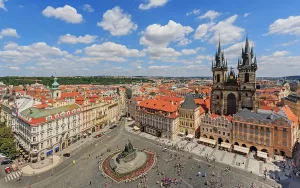
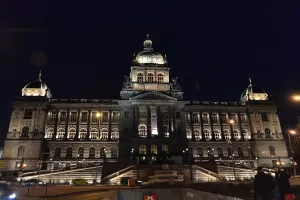
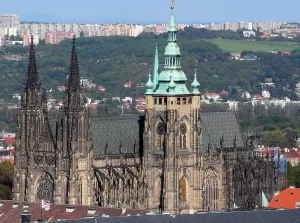

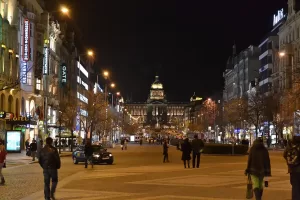
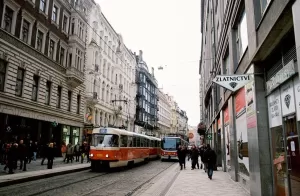
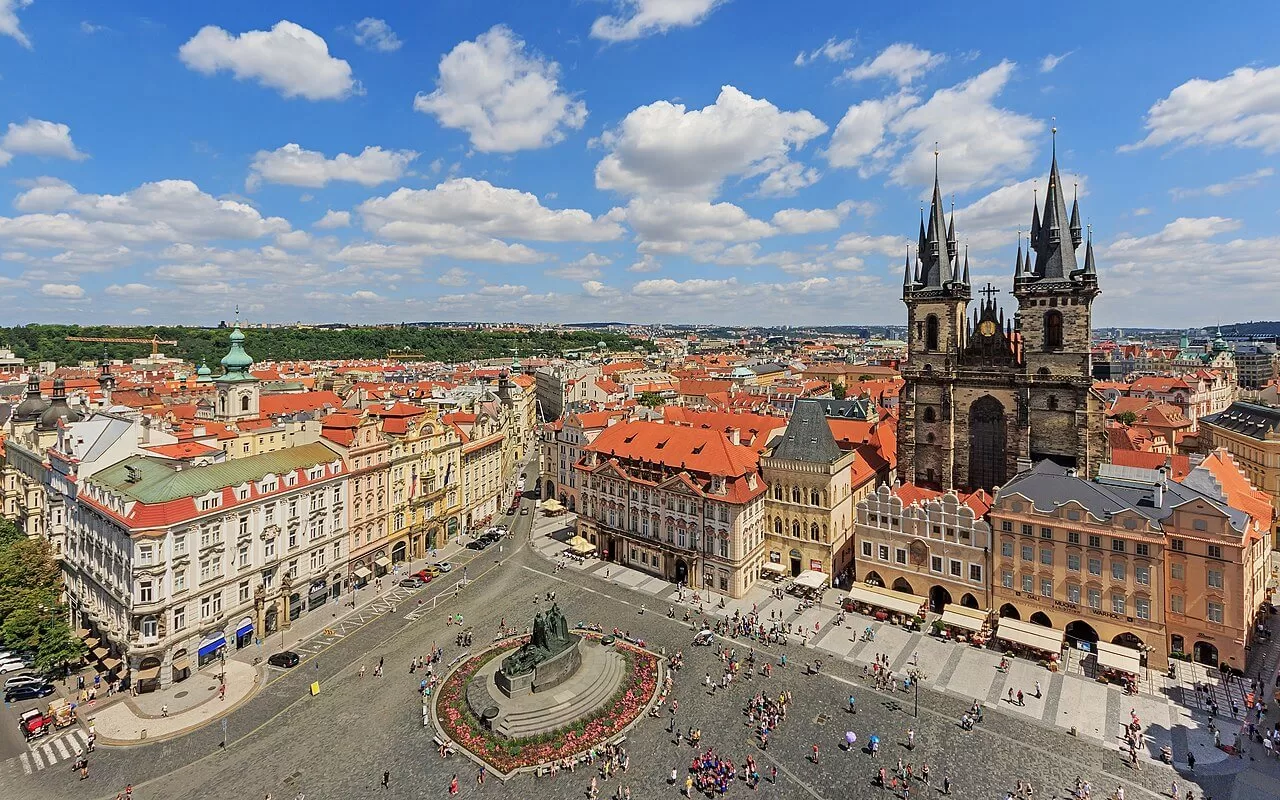
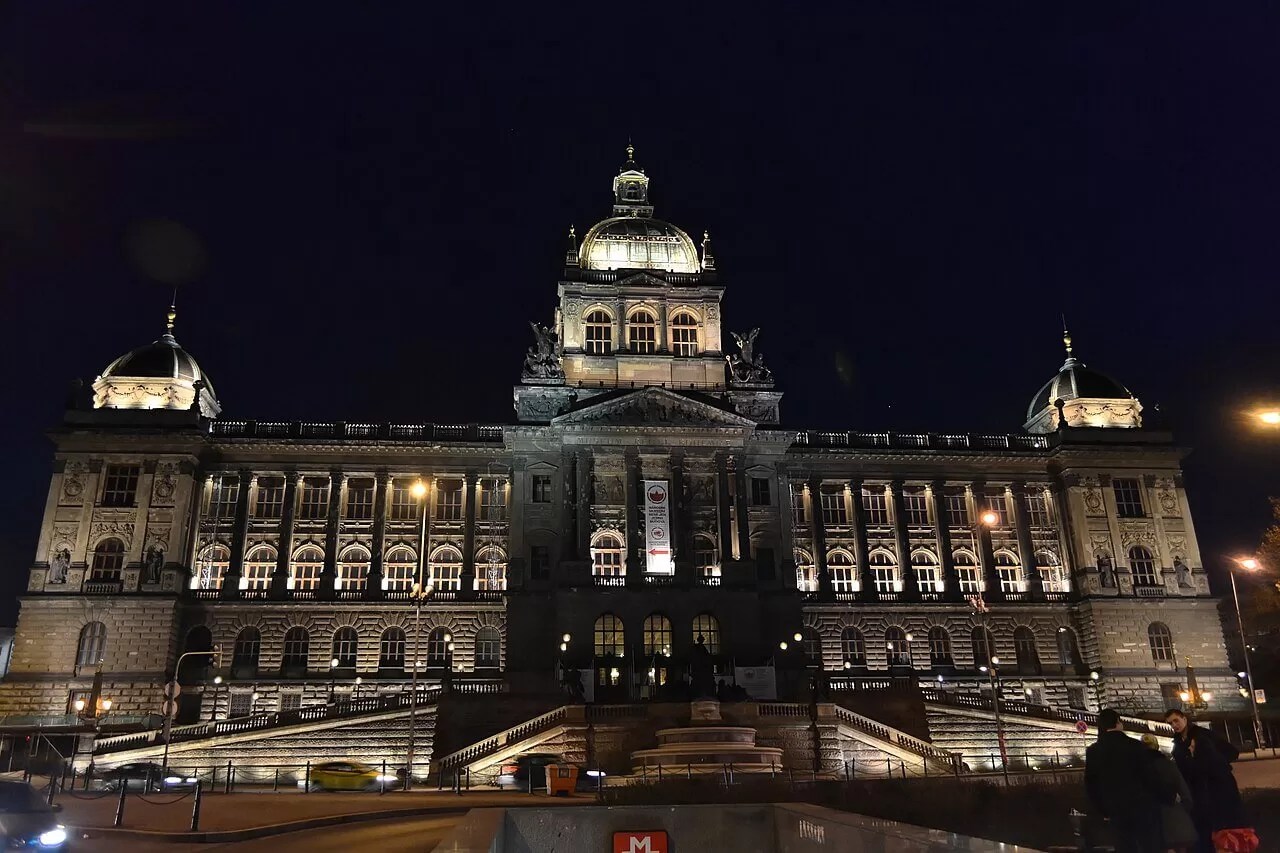


Prague ranks as one of the most beautiful cities in Europe thanks to its well-preserved medieval core. The Czech capital escaped major damage during World War II, leaving its historic architecture intact.
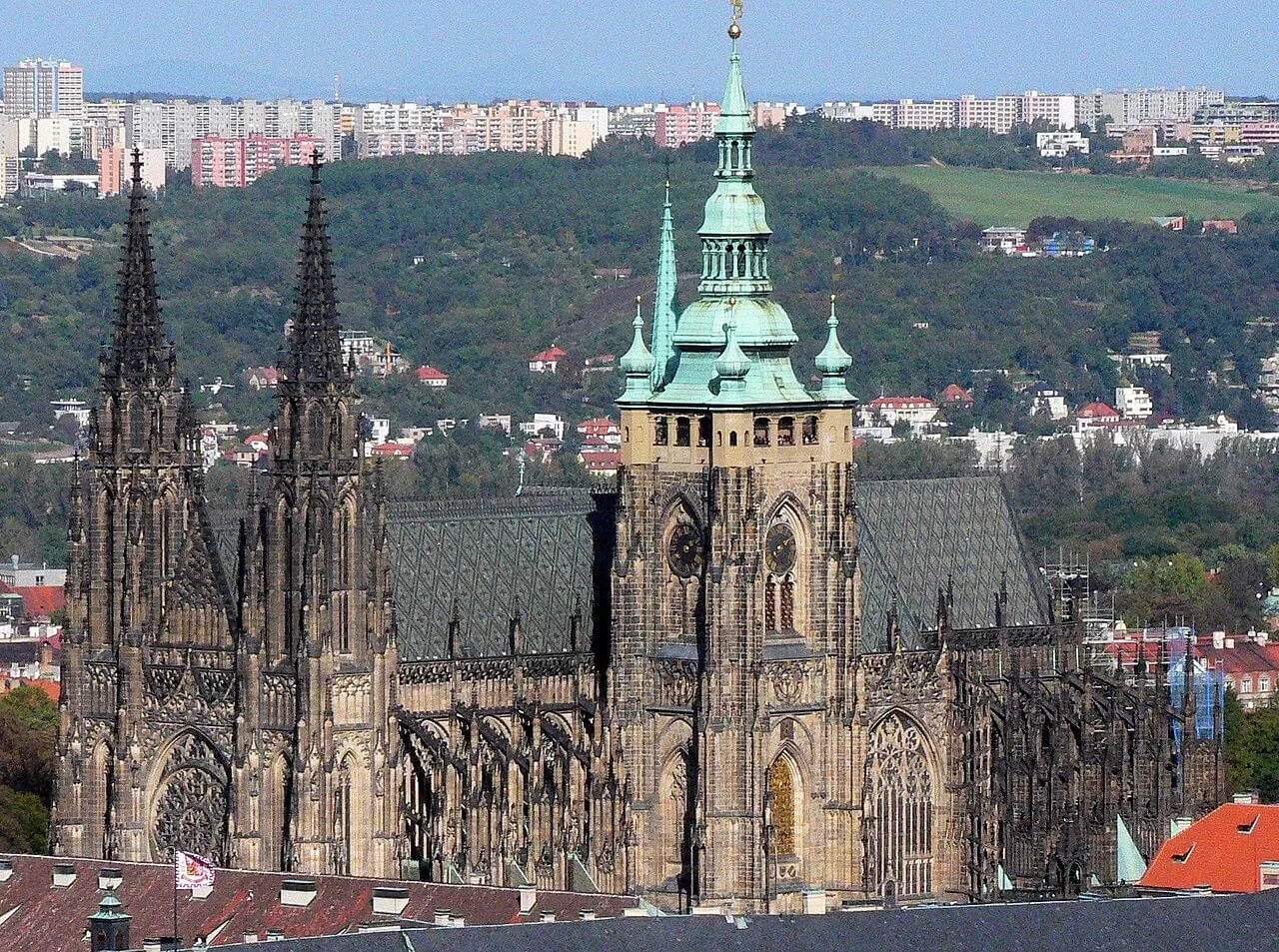
Prague Castle dominates the city skyline as the largest ancient castle complex in the world. Within its walls, St. Vitus Cathedral impresses with Gothic spires and stained glass windows. The changing of the guard ceremony happens hourly at the castle entrance.
Charles Bridge connects Prague’s Old Town with the Lesser Quarter. This 14th-century stone bridge features 30 statues of saints. Artists and musicians line the bridge during daylight hours, creating a festive atmosphere for visitors.
Old Town Square serves as Prague’s historic heart. The Astronomical Clock draws crowds hourly for its moving figures and time display. Dating from 1410, it’s the oldest working astronomical clock in the world.
For the best views of Prague, climb the Old Town Hall Tower or head to Letná Park. The hillside beer garden in Letná offers panoramic views of the city’s red rooftops and the Vltava River with its many bridges.
Czech cuisine warms visitors with hearty dishes like goulash and dumplings. Try U Fleků, a brewery and restaurant operating since 1499. For something sweet, sample trdelník, a cylindrical pastry rolled in sugar and nuts.
Prague’s compact center makes walking the best way to explore. The city’s public transportation system of trams and metro provides easy access to areas beyond the center. Purchase a 24-hour or 72-hour pass for unlimited rides.
- Must See: Charles Bridge, Prague Castle, Old Town Square, Jewish Quarter, Wenceslas Square.
- Experience: Marvel at medieval architecture, enjoy local beer, and explore vibrant cultural festivals.
- How to Reach: Fly to Václav Havel Airport and take the bus or metro to the city center.
Berlin, Germany
Dynamic Capital of Reinvention
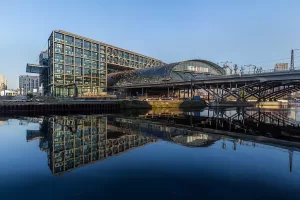
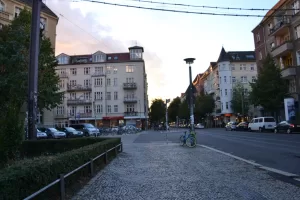
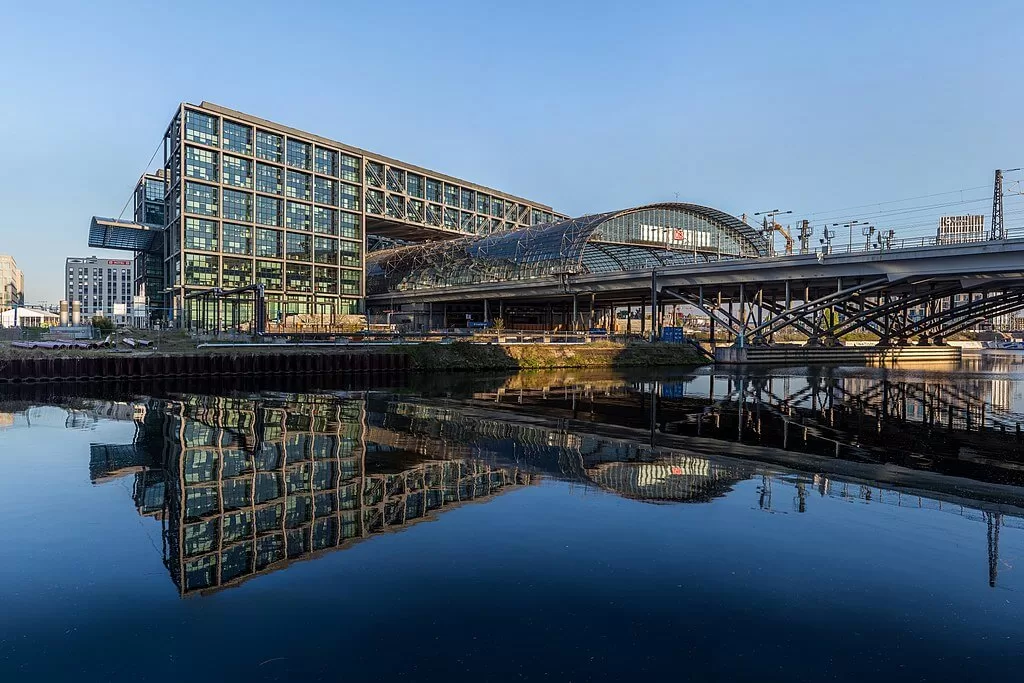


Berlin stands out among the top cities to visit in Europe for its constant reinvention and creative energy. Germany’s capital has transformed itself from a divided city to a cultural powerhouse.
The fall of the Berlin Wall in 1989 changed the city forever. Today, the East Side Gallery preserves a 1.3 km section covered in murals. Checkpoint Charlie and the Berlin Wall Memorial provide sobering reminders of the Cold War division.
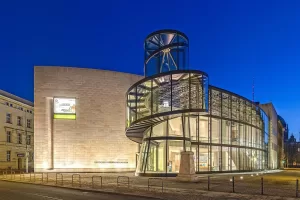
Museum Island houses five world-class museums in the heart of Berlin. The Pergamon Museum displays ancient architectural wonders, while the Neues Museum is home to the bust of Nefertiti. A Museum Island day pass offers the best value for culture enthusiasts.
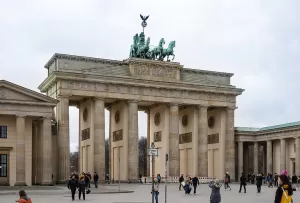
Brandenburg Gate stands as Berlin’s most recognizable landmark. Once symbolizing division, this 18th-century neoclassical monument now represents German unity. The surrounding Pariser Platz hosts cultural events throughout the year.
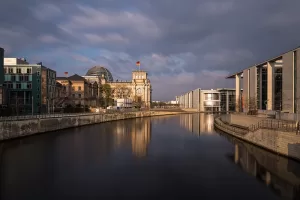
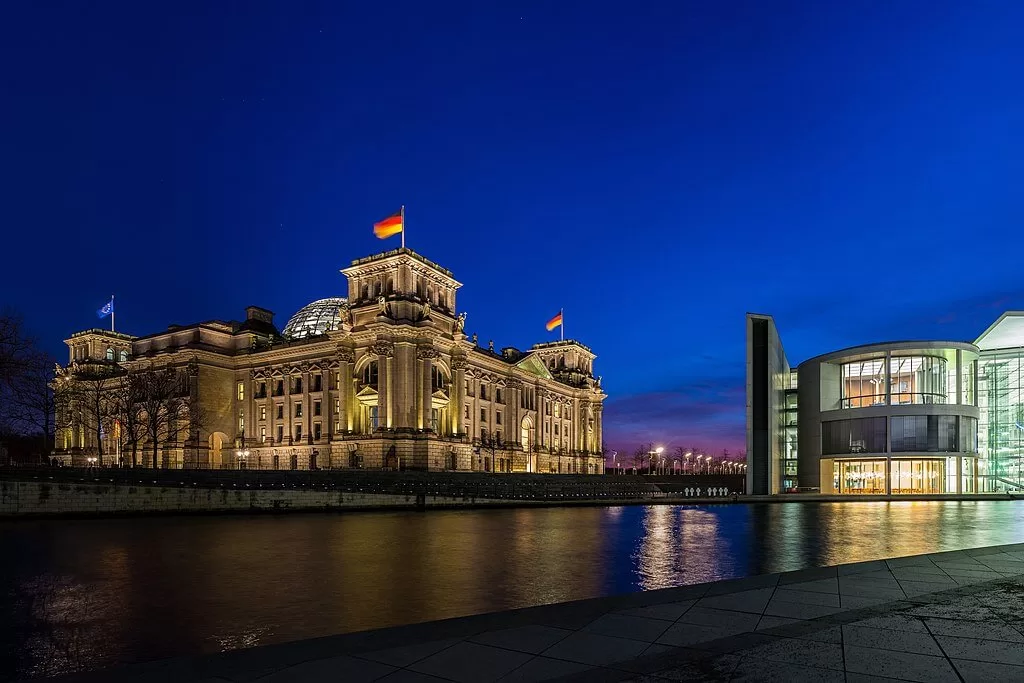
The Reichstag Building combines history with modern design. This historic parliament building received a glass dome addition by architect Norman Foster after reunification. Free visits to the dome offer panoramic views, but advance registration is essential.
Berlin’s alternative scene thrives in neighborhoods like Kreuzberg and Friedrichshain. Street art, pop-up galleries, and underground clubs showcase the city’s creative spirit. For nightlife, Berlin’s techno clubs like Berghain have achieved legendary status.
Green spaces provide balance to urban life. Tiergarten, Berlin’s central park, offers 520 acres for jogging, picnicking, or simply relaxing. In summer, Mauerpark’s Sunday flea market and outdoor karaoke draw huge crowds.
Berlin’s food scene reflects its international character. Turkish döner kebab, a Berlin staple, can be found on nearly every corner. For a true local experience, try currywurst (sliced sausage with curry-spiced ketchup) from street vendors like Curry 36.
- Must See: Berlin Wall Memorial, Checkpoint Charlie, Museum Island, Brandenburg Gate, Reichstag.
- Experience: Vibrant art scene, historical landmarks, and lively nightlife in neighborhoods like Kreuzberg and Friedrichshain.
- How to Reach: Fly to Berlin Brandenburg Airport and take the bus or train to the city center.
Vienna, Austria
Imperial Elegance and Musical Heritage

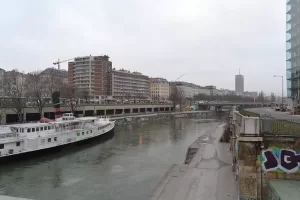
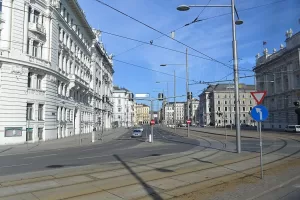
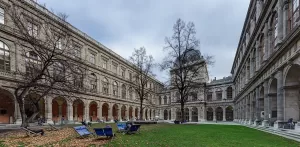
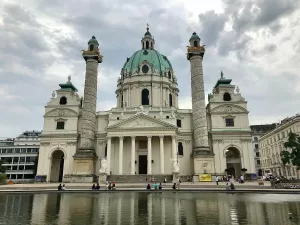
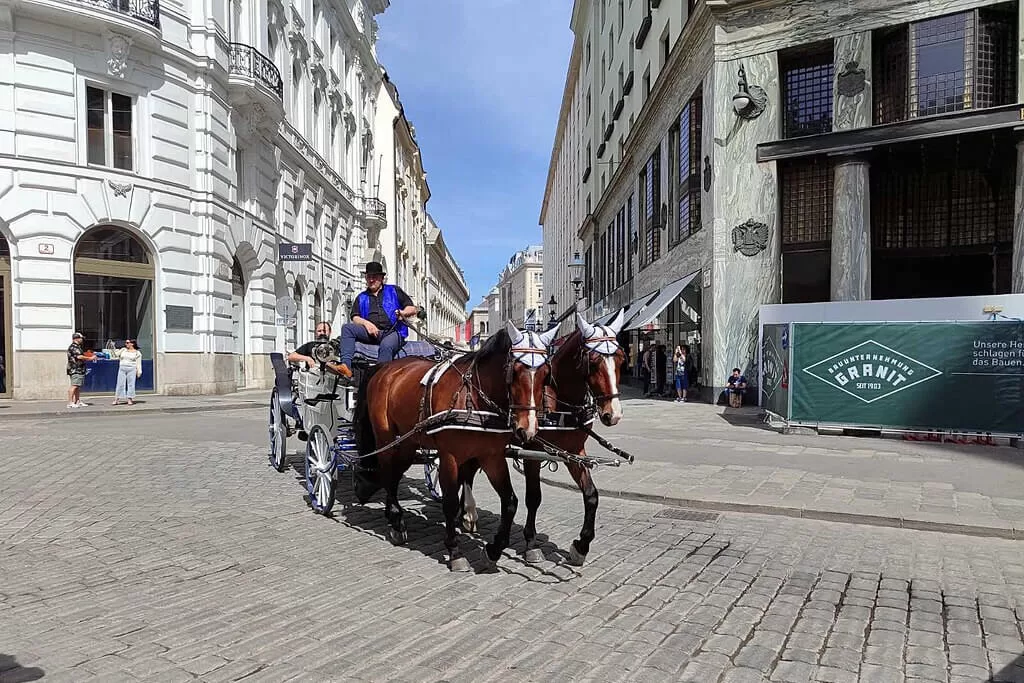


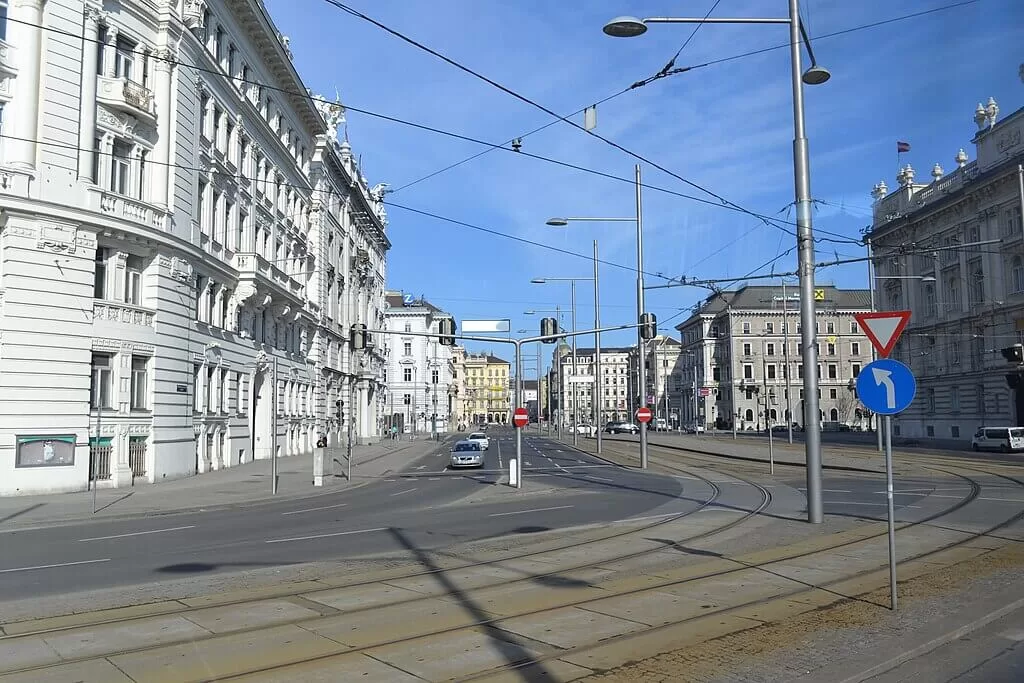

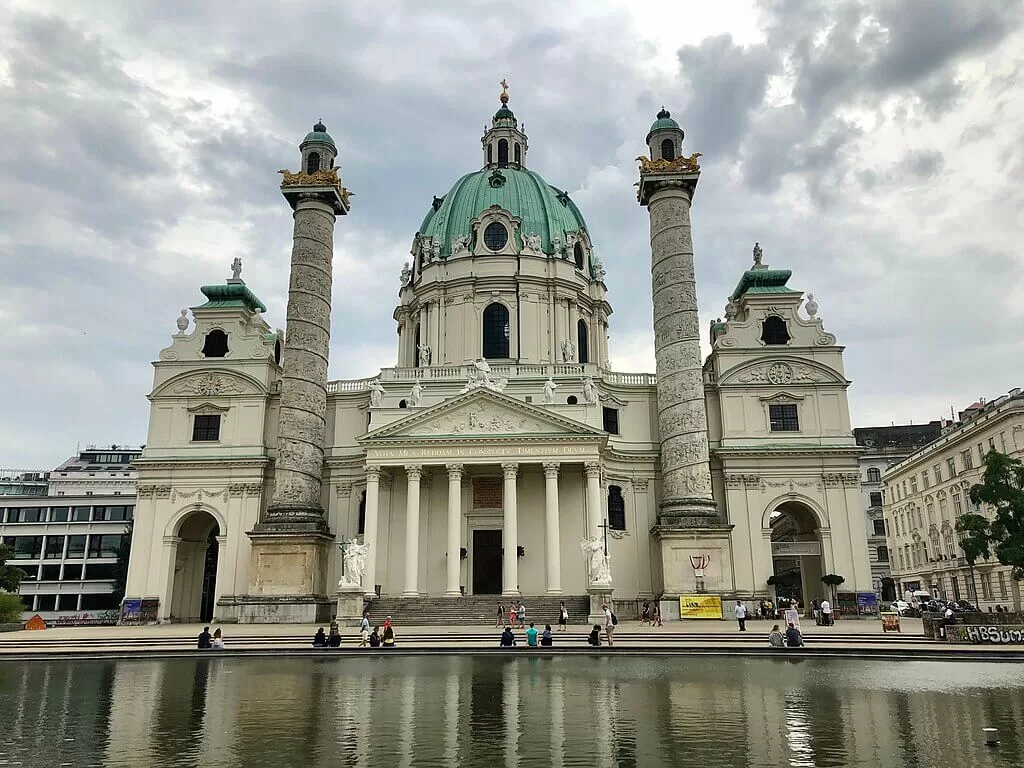
Vienna ranks among the top cities to visit in Europe for culture lovers. Austria’s capital preserves its imperial legacy while embracing modern innovation. The city consistently ranks among the world’s most livable cities.
Schönbrunn Palace stands as Vienna’s most impressive imperial residence. This Baroque masterpiece served as the summer home for Habsburg monarchs. The 1,441-room palace includes stunning state rooms and gardens modeled after Versailles.
The Hofburg Palace complex forms Vienna’s historic center. For over 600 years, this sprawling palace housed the ruling Habsburg family. Today, it contains museums, the Spanish Riding School, and the Austrian president’s offices.
Vienna’s musical heritage remains unmatched. The Vienna State Opera presents world-class performances in a 19th-century Neo-Renaissance building. For a more affordable option, standing-room tickets go on sale 90 minutes before performances.
Coffee house culture defines Viennese social life. Historic cafés like Café Central and Café Sacher serve as institutions where time seems to stand still. Order a Melange (similar to a cappuccino) with a slice of Sachertorte, Vienna’s famous chocolate cake.
St. Stephen’s Cathedral marks the geographic and symbolic center of Vienna. Its distinctive diamond-patterned roof and 136-meter south tower dominate the skyline. Climb 343 steps to the tower platform for panoramic views of the city.
The Naschmarkt offers Vienna’s best food shopping experience. This mile-long market dates back to the 16th century. Today, it features hundreds of stalls selling produce, spices, and prepared foods from around the world.
Vienna excels in urban planning with excellent public transportation. The U-Bahn (subway), trams, and buses make getting around simple. The Vienna City Card provides unlimited travel and discounts at attractions.
- Must See: Schönbrunn Palace, Hoffburg Palace, St. Stephen’s Cathedral, Vienna State Opera.
- Experience: Enjoy opera performances, indulge in coffee culture, and explore imperial history.
- How to Reach: Fly to Vienna International Airport and take the train or bus to the city center.
Budapest, Hungary
Pearl of the Danube
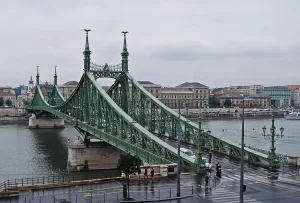
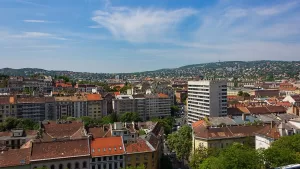
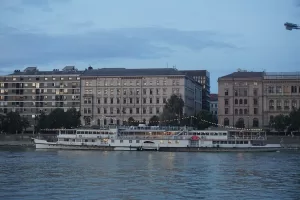
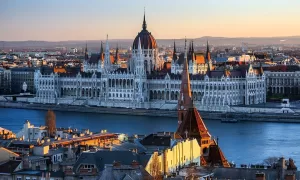
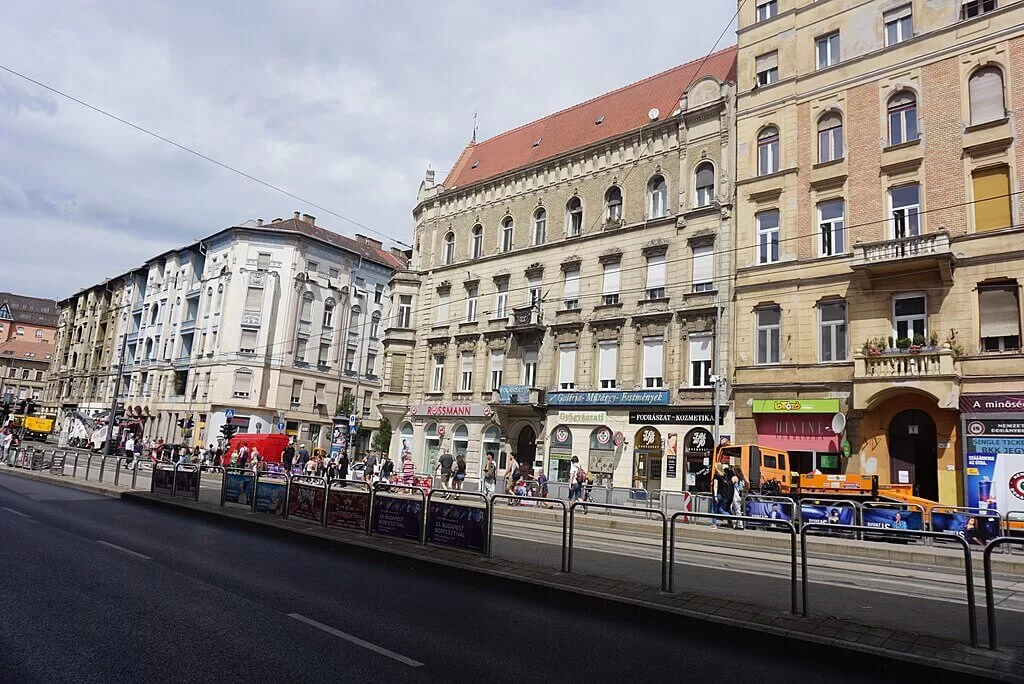


Budapest is one of the most beautiful cities to visit in Europe, with dramatic architecture spanning both banks of the Danube. Hungary’s capital actually unites two historic cities: hilly Buda and flat Pest.
The Hungarian Parliament Building dominates the Pest riverfront with its neo-Gothic spires and massive dome. This architectural masterpiece, completed in 1902, houses the Holy Crown of Hungary. Guided tours take visitors through lavish interiors featuring gold leaf and red carpets.
Castle Hill on the Buda side overlooks the entire city. Buda Castle, once home to Hungarian kings, now houses the Hungarian National Gallery and Budapest History Museum. The area’s cobblestone streets, medieval buildings, and Matthias Church create a fairy-tale atmosphere.
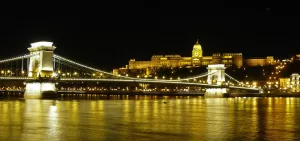
The Chain Bridge, Budapest’s first permanent river crossing, connects Buda and Pest. Completed in 1849, its stone lions guard both entrances. Walking across offers stunning views of the Parliament and Buda Castle, especially when illuminated at night.
Budapest earned the nickname “City of Spas” for its abundance of thermal baths. The Széchenyi Baths, the largest medicinal bath in Europe, features 18 pools in a neo-Baroque palace. Gellért Baths showcases Art Nouveau architecture with colorful mosaics and stained glass.
The Jewish Quarter contains Europe’s largest synagogue and has transformed into Budapest’s coolest neighborhood. The area’s “ruin bars” occupy abandoned buildings and courtyards, decorated with mismatched furniture and local art. Szimpla Kert, the original ruin bar, started this creative movement.
Hungarian cuisine offers hearty, flavorful dishes. Try goulash, a paprika-spiced soup with beef and potatoes, or chicken paprikash with nokedli dumplings. For dessert, sample chimney cake (kürtőskalács) or Dobos torte, a layered sponge cake with caramel top.
The Great Market Hall provides a feast for the senses. This three-story covered market from 1897 sells fresh produce, meats, and local specialties. The upper floor offers souvenir shopping and casual eateries serving traditional Hungarian street food.
- Must See: Parliament Building, Buda Castle, Széchenyi Thermal Bath, Jewish Quarter, Danube Promenade.
- Experience: Enjoy thermal baths, explore ruin bars, and soak up the historical atmosphere along the Danube River.
- How to Reach: Fly to Budapest Ferenc Liszt International Airport and take the bus or train to the city center.
Istanbul, Turkey
Where East Meets West
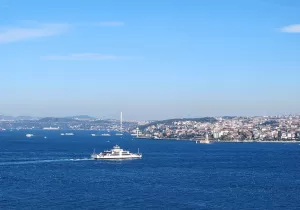
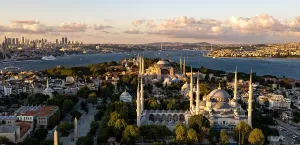
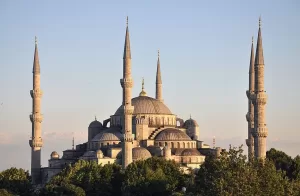

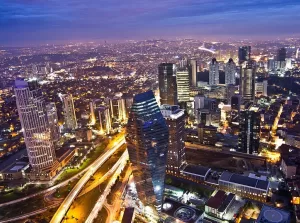
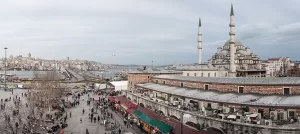
Istanbul is one of the most unique cities to visit in Europe, straddling two continents across the Bosphorus Strait. This ancient city blends European and Asian influences in its culture, architecture, and cuisine.
The Blue Mosque (Sultan Ahmed Mosque) dazzles with its six minarets and blue-tiled interior. Built in the early 17th century, it remains an active place of worship. Visitors should dress modestly and observe prayer times when the mosque closes to tourists.
Across a small park stands Hagia Sophia, perhaps Istanbul’s most remarkable building. Constructed as a Byzantine church in 537, later converted to a mosque, then a museum, and now a mosque again, it represents layers of Istanbul’s complex history.
The Grand Bazaar embodies Istanbul’s commercial spirit with over 4,000 shops in 61 covered streets. Dating back to 1461, it’s one of the world’s oldest and largest covered markets. Shoppers find everything from spices to carpets to jewelry within its maze-like passages.
A Bosphorus cruise offers some of the best views of Istanbul. These boat tours showcase palaces, fortresses, and wooden villas along both European and Asian shores. Options range from short tours to full-day excursions with stops along the way.
Turkish cuisine delights with its complex flavors and fresh ingredients. Try authentic kebabs at Hamdi Restaurant near the Spice Bazaar. For the full experience, visit a meyhane (traditional tavern) like Refik in Beyoğlu for meze plates and raki, the anise-flavored spirit.
Topkapi Palace reveals the opulence of Ottoman sultans. This vast complex housed the imperial court for almost 400 years. Don’t miss the Harem section, Treasury with its 86-carat Spoonmaker’s Diamond, and views from the Fourth Courtyard overlooking the Bosphorus.
Istanbul’s public transportation system includes trams, buses, funiculars, and ferries. The Istanbul Card works on all modes and offers discounted fares. Consider staying in Sultanahmet for proximity to major sights or Beyoğlu for nightlife and dining options.
- Must See: Hagia Sophia, Blue Mosque, Topkapi Palace, Grand Bazaar, Spice Bazaar.
- Experience: Explore cross-continental culture, try Turkish cuisine like kebabs, and shop in bustling bazaars.
- How to Reach: Fly to Istanbul Airport or Sabiha Gökçen Airport and take a taxi or public transportation to the city center.
Athens, Greece
Birthplace of Democracy and Western Civilization
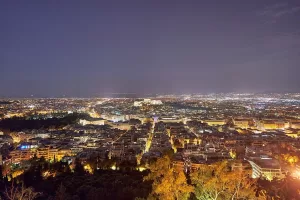

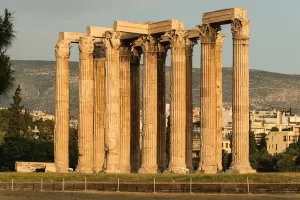
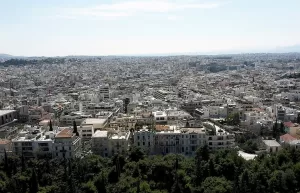
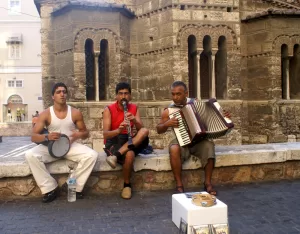
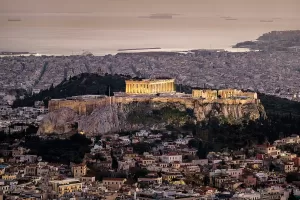
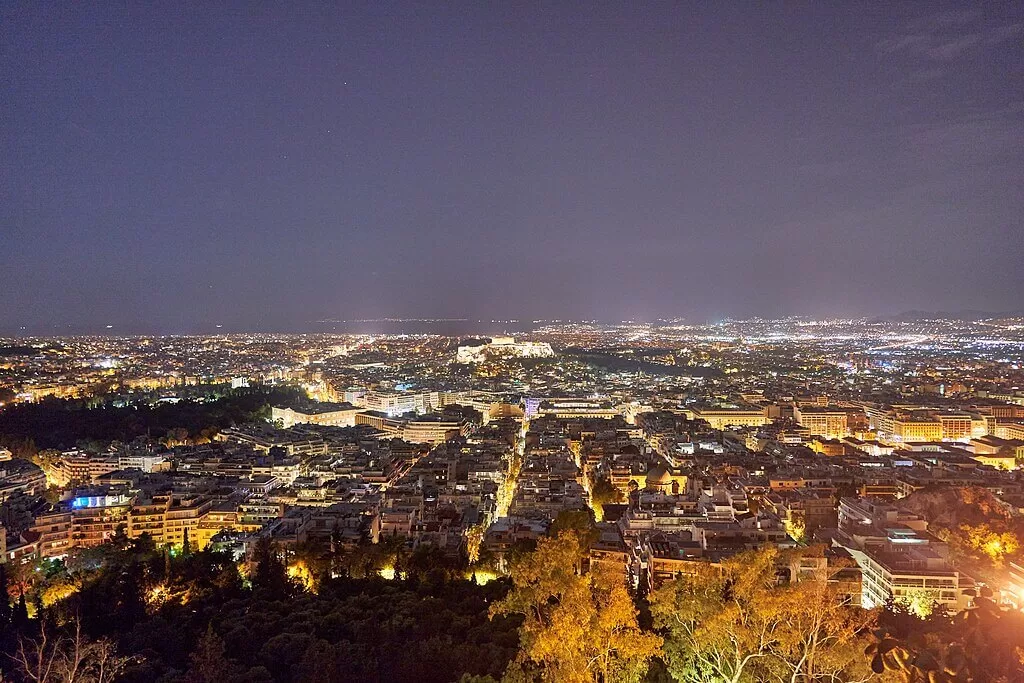


Athens holds its place as one of the most historically significant cities to visit in Europe. The Greek capital combines ancient wonders with a vibrant modern culture.
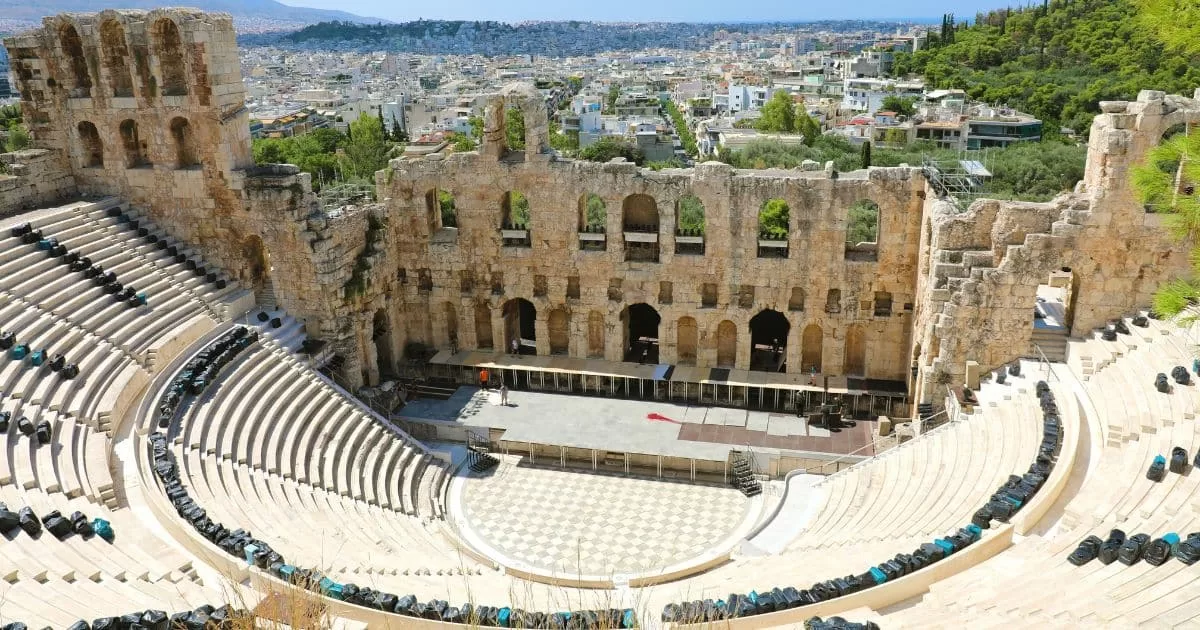
The Acropolis dominates the Athens skyline and the Western imagination. This ancient citadel houses the Parthenon, an enduring symbol of classical civilization. Built in the 5th century BC, its perfect proportions and innovative design continue to influence architecture worldwide.
The Acropolis Museum, opened in 2009, presents artifacts from the sacred hill in a modern setting. The glass floors reveal archaeological excavations below, while the top floor aligns with the Parthenon itself. This award-winning museum provides context for understanding the ancient site.
The Ancient Agora offers insight into daily Athenian life. This marketplace served as the heart of public life where Socrates shared his ideas. The well-preserved Temple of Hephaestus and reconstructed Stoa of Attalos help visitors imagine the bustling center of ancient Athens.
Plaka, Athens’ oldest neighborhood, charms with neoclassical architecture and pedestrian streets. This area beneath the Acropolis features shops, tavernas, and small museums. Nearby Anafiotika resembles a Cycladic island village with its whitewashed houses and narrow paths.
Greek cuisine shines in Athens with fresh ingredients and traditional techniques. Try souvlaki (grilled meat skewers) from street vendors or settle in at a taverna for mezedes (small dishes) like tzatziki, dolmades, and saganaki. Let your meal linger Greek-style with unhurried conversation.
For panoramic views, climb Lycabettus Hill, the highest point in Athens. A funicular railway helps with the ascent, or take the walking path through pine trees. Sunset views from the summit encompass the entire city, the Acropolis, and on clear days, the Aegean Sea.
Modern Athens reveals itself in neighborhoods like Exarchia, known for street art and alternative culture, and Kolonaki, with upscale boutiques and cafés. The revitalized Psiri area offers trendy bars and live music venues in former industrial spaces.
- Must See: Acropolis, Parthenon, Ancient Agora, Monastiraki Flea Market.
- Experience: Discover ancient history, visit local tavernas for Greek cuisine, and explore vibrant neighborhoods like Monastiraki.
- How to Reach: Fly to Athens Eleftherios Venizelos International Airport and take the metro to the city center.
Dubrovnik, Croatia
Dubrovnik, Croatia: The Pearl of the Adriatic

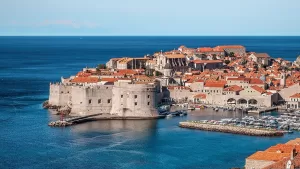

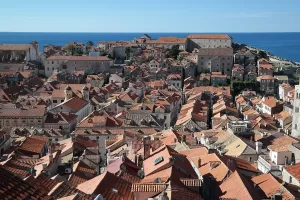
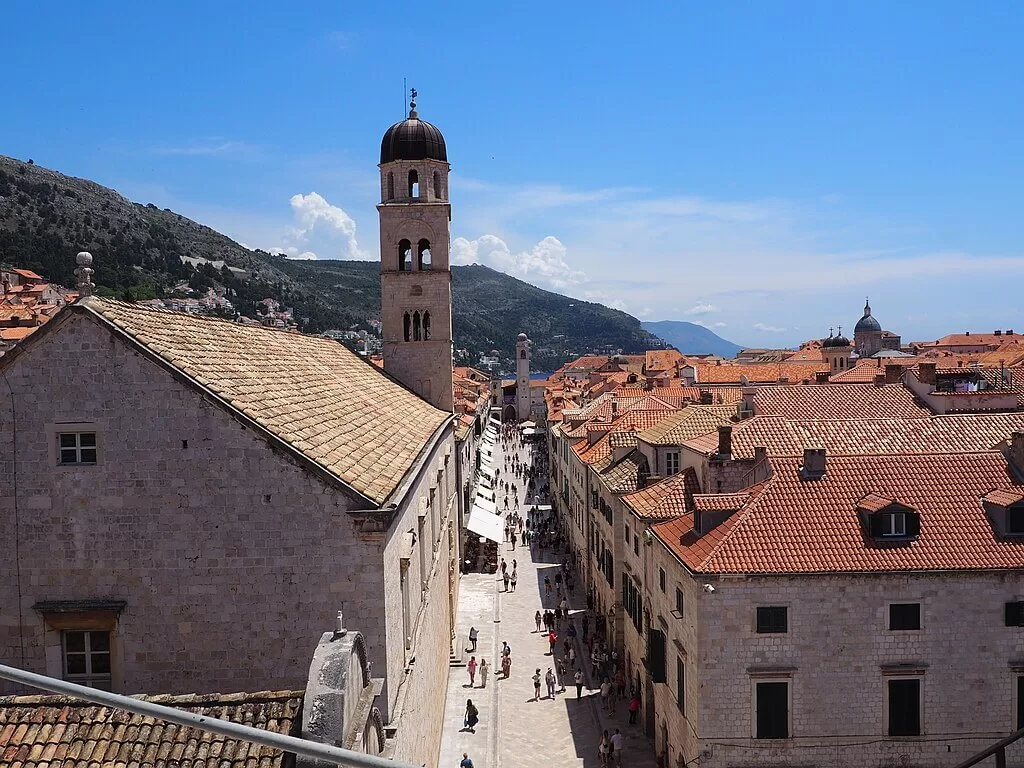

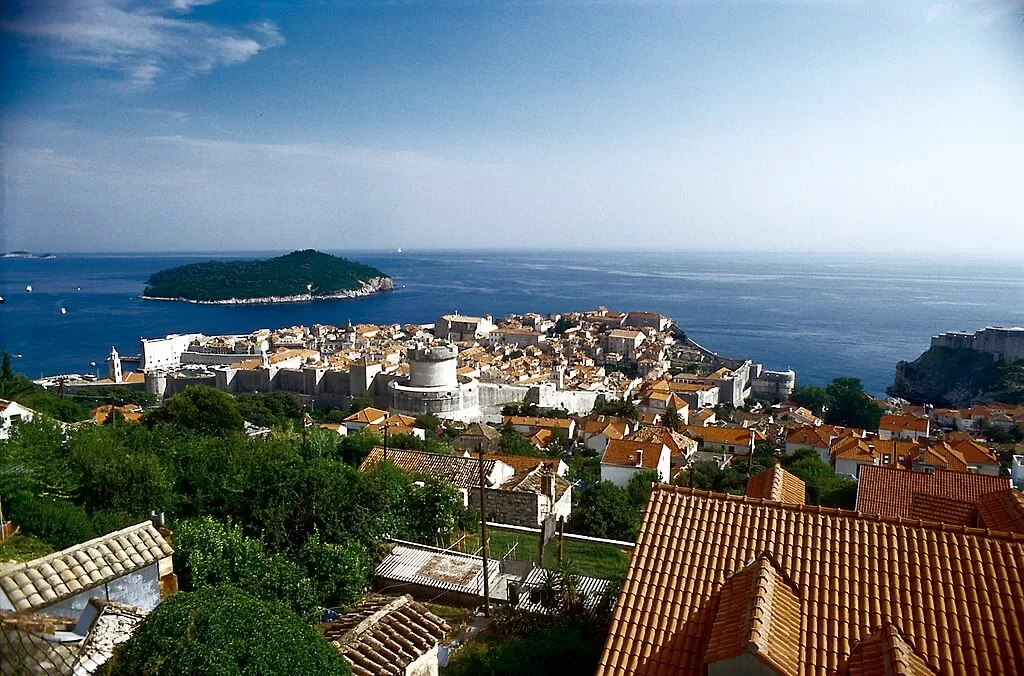

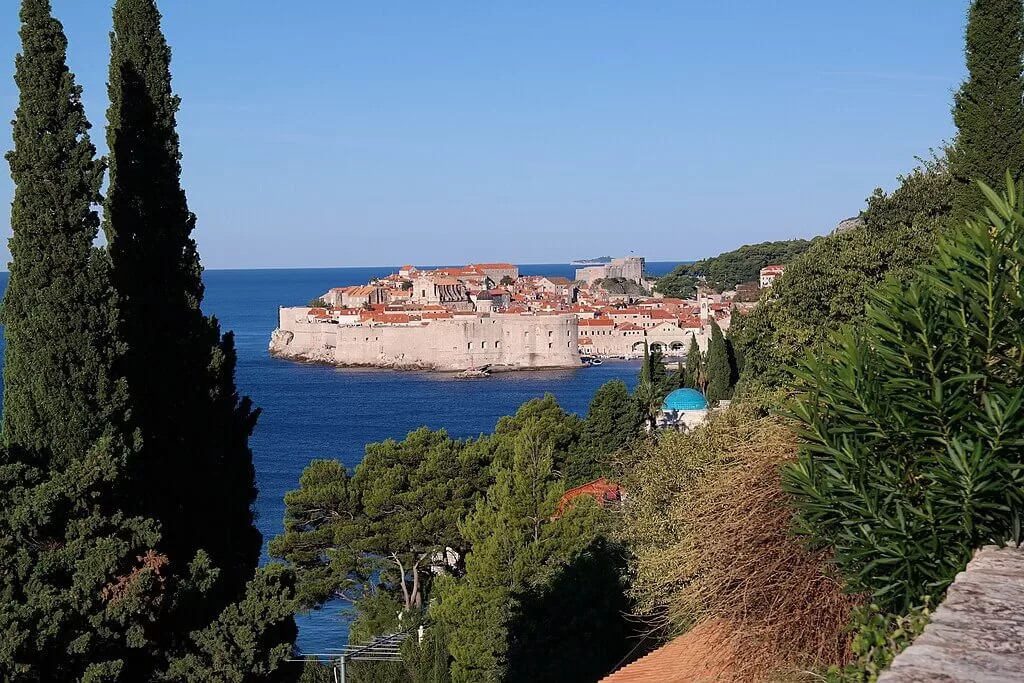

Dubrovnik has emerged as one of the top cities to visit in Europe, especially after serving as King’s Landing in Game of Thrones. This Croatian coastal gem combines historic architecture with stunning Adriatic views.
The City Walls provide Dubrovnik’s most essential experience. These massive stone fortifications encircle the Old Town, reaching up to 25 meters in height. Walking the 1.9 km loop offers the best views of both the city’s terracotta rooftops and the azure sea beyond.
Stradun serves as Dubrovnik’s main street, paved with limestone that glows almost white in the Mediterranean sun. This pedestrian thoroughfare connects the city’s eastern and western gates. Cafés and shops line both sides beneath uniform Baroque buildings.
Fort Lovrijenac perches dramatically on a 37-meter cliff overlooking the sea. This fortress outside the western wall featured prominently in Game of Thrones as the Red Keep. Its strategic position protected Dubrovnik from both land and sea attacks.
A cable car ride to Mount Srđ provides the most spectacular panoramic views of the city. From the top, the entire walled city appears like a miniature model against the deep blue Adriatic. The mountain also houses a museum about the 1990s Croatian War of Independence.
Island hopping makes a perfect day trip from Dubrovnik. Lokrum Island lies just a 10-minute boat ride from the Old Port. This nature reserve features botanical gardens, swimming spots, and peacocks roaming freely among the ruins of a Benedictine monastery.
The best time to visit Dubrovnik is during spring (April-May) or fall (September-October). Summer brings crowds and high temperatures, while winter sees many businesses close. The shoulder seasons offer pleasant weather and more reasonable prices.
Croatian cuisine shines with fresh seafood and Mediterranean influences. Try black risotto colored with cuttlefish ink at Proto, or sample fresh oysters from nearby Ston at Bota Šare. For sunset drinks, head to Buža Bar, literally a “hole in the wall” built into the city fortifications.
- Must See: City Walls, Old Town, Fort Lovrijenac, Lokrum Island, Rector’s Palace.
- Experience: Walk along the medieval city walls, explore Game of Thrones filming locations, and enjoy island hopping in the Adriatic Sea. Relax on local beaches like Banje Beach and experience a vibrant summer festival scene.
- How to Reach: Fly to Dubrovnik Čilipi Airport and take a taxi or bus to the city center. Alternatively, take a ferry from nearby islands or neighboring countries like Italy for a scenic approach.
Venice, Italy
Floating City of Dreams

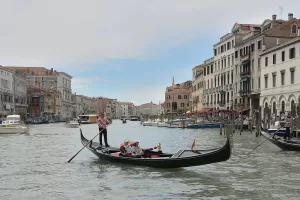
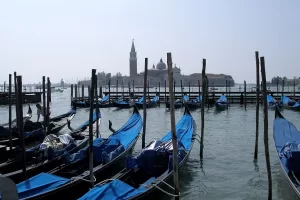
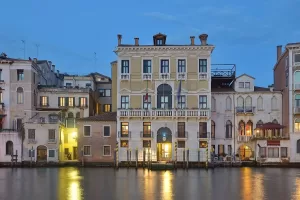
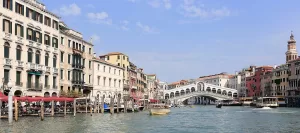
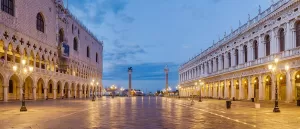
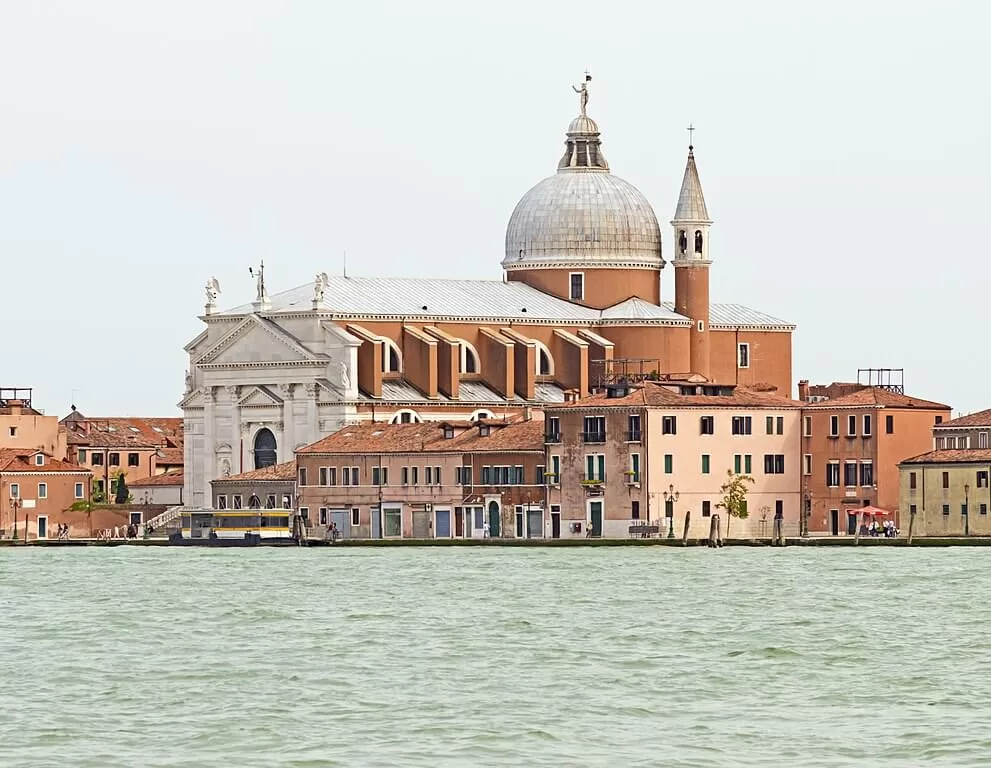


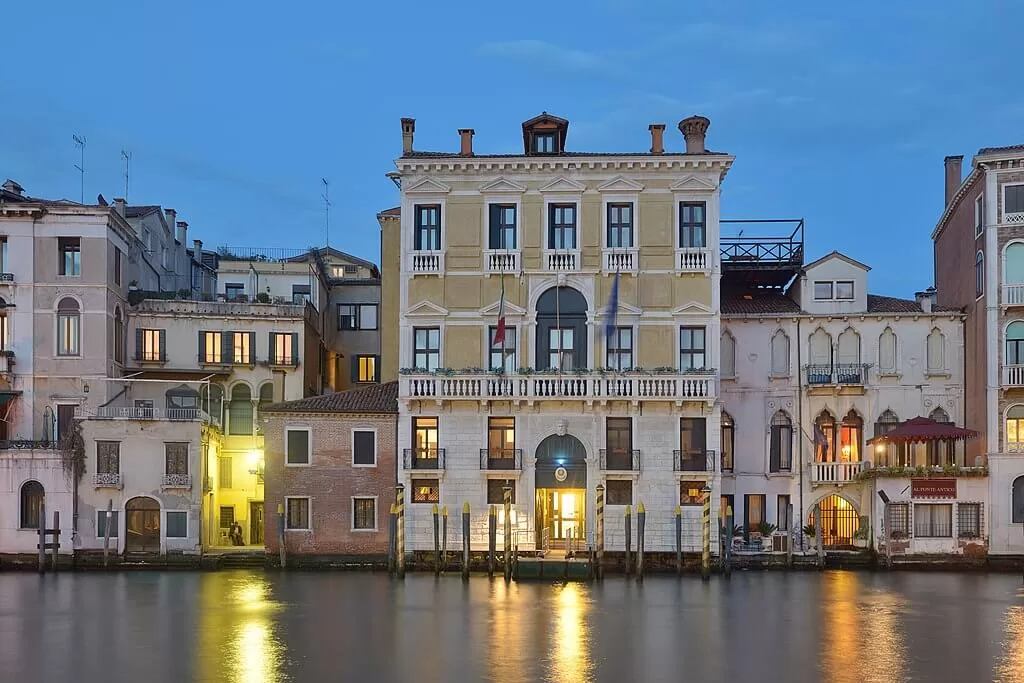


Venice is another unique city in Europe, built entirely on water with canals instead of streets. This Italian masterpiece creates a dreamlike atmosphere unlike anywhere else in the world.
The Grand Canal forms Venice’s main thoroughfare, lined with marble palaces dating back to the 13th century. A vaporetto (water bus) ride offers the perfect introduction, but splurging on a gondola provides the quintessential Venetian experience. Evening rides offer romance without the daytime crowds.
St. Mark’s Square serves as Venice’s magnificent living room. The Byzantine splendor of St. Mark’s Basilica, with its golden mosaics and treasures, anchors one end. The Campanile bell tower offers panoramic views of the lagoon and red-tiled rooftops.
The Rialto Bridge, Venice’s oldest and most famous bridge across the Grand Canal, has connected the city since 1591. Its distinctive stone arch houses shops selling Venetian specialties. The nearby Rialto Market offers a glimpse of local life, with fishmongers and produce vendors supplying Venetian kitchens.
Venice’s maze-like streets invite wandering and discovery. Getting lost is part of the experience, as each turn reveals charming squares, tiny bridges, and hidden churches. The Jewish Ghetto, the world’s first (established in 1516), provides historical context away from tourist crowds.
Venetian cuisine specializes in seafood from the lagoon. Try sarde in saor (sweet and sour sardines) or risotto al nero di seppia (squid ink risotto) at traditional bacari (wine bars). These small establishments serve cicchetti (Venetian tapas) perfect for an authentic light meal.
The islands of the Venetian Lagoon offer fascinating day trips. Murano has produced famous glass since 1291, while Burano charms with brightly painted houses and lace-making traditions. More remote Torcello houses Venice’s oldest church with Byzantine mosaics.
- Must See: St. Mark’s Square, Doge’s Palace, Grand Canal, Rialto Bridge, Murano Glass Factory.
- Experience: Get lost in canals, try fresh seafood, and explore hidden islands like Burano.
- How to Reach: Fly to Venice Marco Polo Airport and take a boat or bus to the city center.
Florence, Italy
Renaissance Treasure Trove
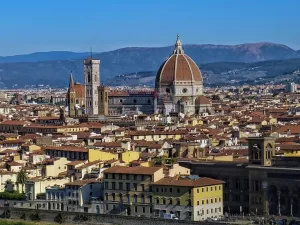
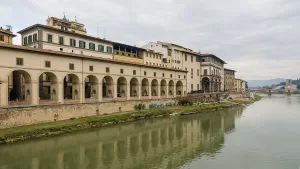
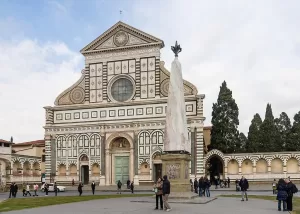
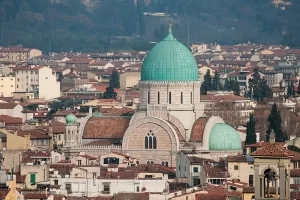
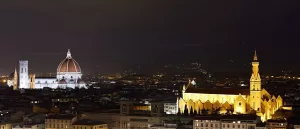
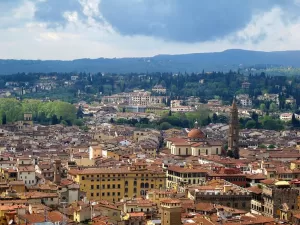
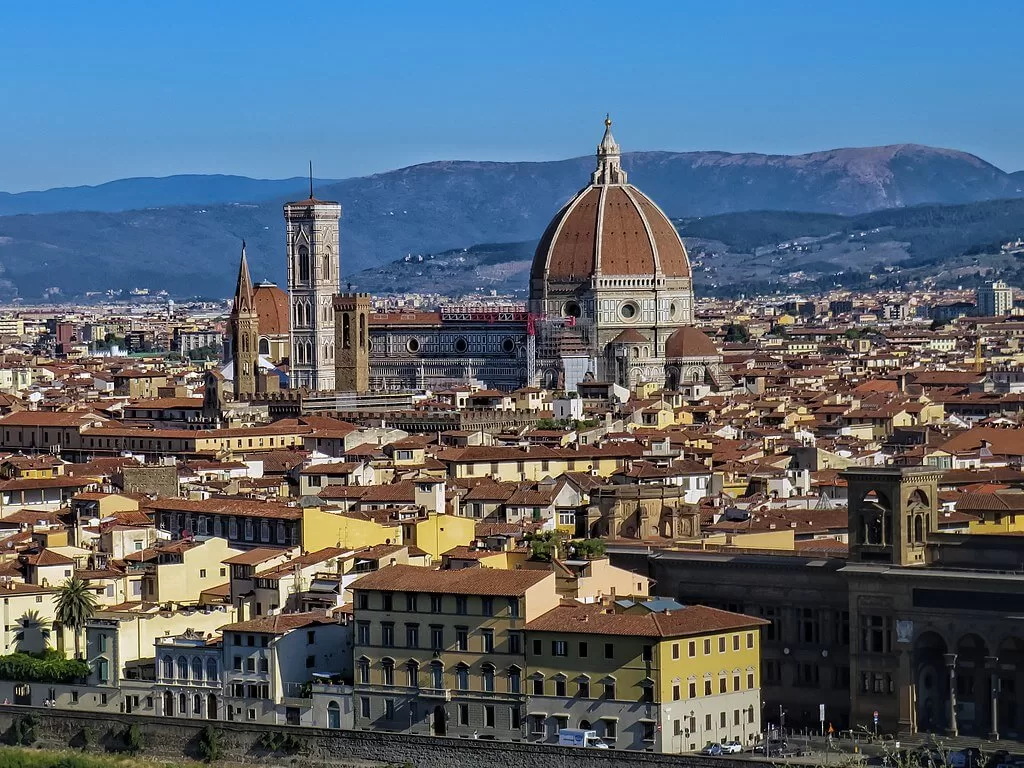
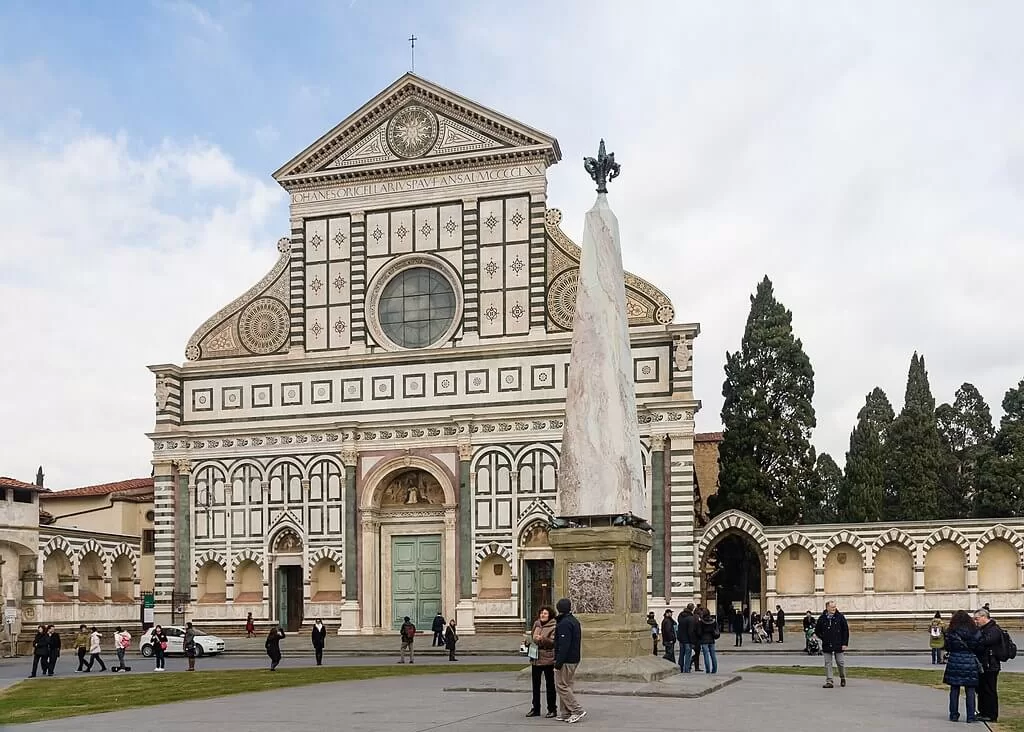


Florence is undoubtably one of the most beautiful cities in Europe that I have come across. This compact Tuscan capital was the birthplace of the Renaissance and even today it packs incredible artistic and architectural treasures into its historic center.
The Duomo (Cathedral of Santa Maria del Fiore) dominates Florence’s skyline with its massive terracotta dome designed by Brunelleschi. This engineering marvel, completed in 1436, remains the largest brick dome ever constructed. Climb 463 steps to the top for spectacular city views and a close-up look at the dome’s construction.
The Uffizi Gallery houses the world’s greatest collection of Italian Renaissance art. Works by Botticelli, Leonardo, Michelangelo, and Raphael fill rooms organized chronologically to show the evolution of painting. The Birth of Venus and Primavera by Botticelli count among its most famous masterpieces.
Michelangelo’s David stands as Florence’s most iconic artwork. Housed in the Accademia Gallery, this 17-foot marble statue captures perfect anatomical detail and emotional intensity. Originally displayed in the Piazza della Signoria, a replica now stands in the original location.
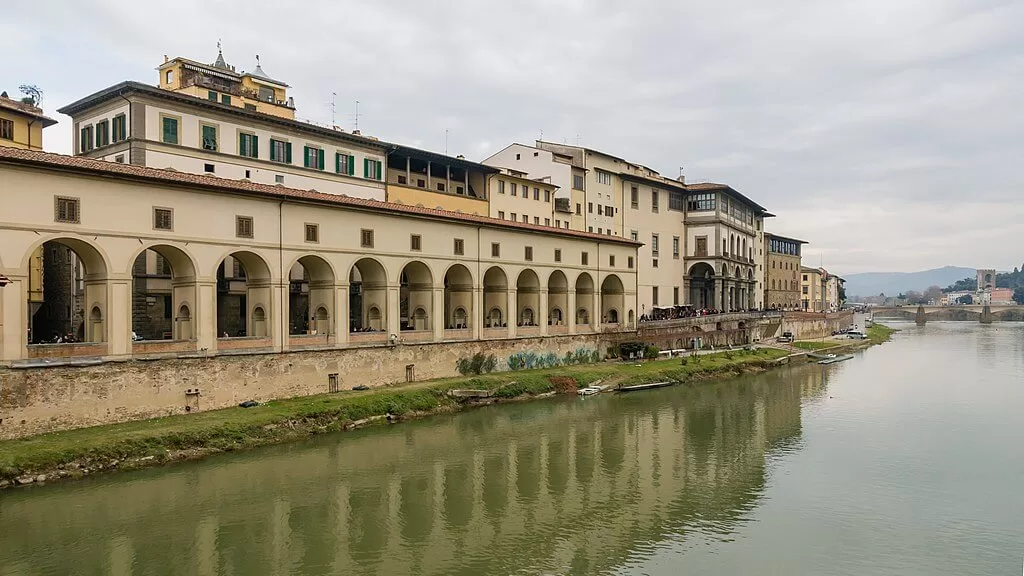
The Ponte Vecchio, Florence’s oldest bridge, spans the Arno River with shops built along its edges. Once home to butchers, it now houses jewelers and goldsmiths. The Vasari Corridor runs above it, linking the Uffizi with the Pitti Palace, allowing Medici rulers to cross the city unseen.
Florentine cuisine celebrates Tuscan traditions with simple, flavorful ingredients. Try bistecca alla fiorentina, a massive T-bone steak grilled rare over wood coals. For lunch, sample lampredotto, a traditional tripe sandwich, from street vendors or at the Mercato Centrale food hall.
The Boboli Gardens provide a green retreat behind the Pitti Palace. These formal Italian gardens feature fountains, grottos, and ancient statues. From the highest point, visitors enjoy panoramic views of Florence and the surrounding hills dotted with cypress trees.
Florence rewards visitors who look beyond the major sights. The Oltrarno district across the river offers artisan workshops continuing centuries-old crafts. The San Lorenzo Market surrounds the church where Medici princes lie buried, blending history with daily Florentine life.
- Must See: Duomo, Uffizi Gallery, Ponte Vecchio, Accademia Gallery, Boboli Gardens.
- Experience: Explore Renaissance art, enjoy Italian cuisine like bistecca, and stroll along the Arno River.
- How to Reach: Fly to Florence Airport and take a bus or taxi to the city center, or train from nearby cities.
Copenhagen, Denmark
Scandinavian Design and Sustainable Living
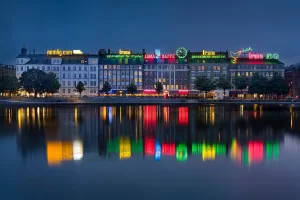
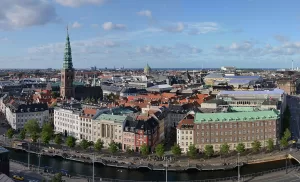
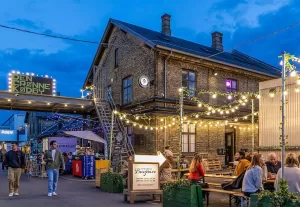
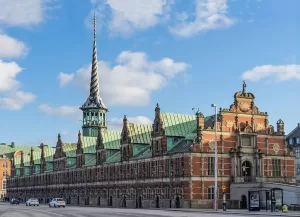
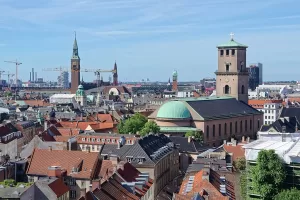
Copenhagen attracts thousands of design lovers and sustainability enthusiasts from around the world every year. This capital city of Denmark combines historic charm with forward-thinking urban planning in a very captivating way.
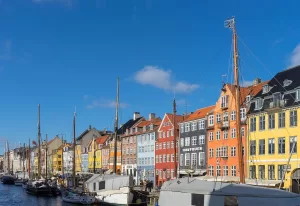
Nyhavn captures Copenhagen’s picture-perfect image with its colorful 17th-century townhouses lining a canal. Once a busy commercial port, today it’s filled with restaurants and cafés. Hans Christian Andersen lived at numbers 18, 20, and 67 during different periods.
Christiansborg Palace houses Denmark’s three supreme powers: executive, legislative, and judicial branches. Visitors can tour the Royal Reception Rooms, Parliament, and ruins beneath the palace. The tower offers free access and some of the best views of Copenhagen.
Tivoli Gardens delights as one of the world’s oldest amusement parks, operating since 1843. Beyond rides, it offers beautiful gardens, restaurants, and concert venues. Walt Disney drew inspiration from Tivoli when creating Disneyland.
Copenhagen’s bicycle culture exemplifies Danish sustainable living. The city boasts over 350 km of dedicated bike lanes, and more people commute by bicycle than car. Visitors can easily rent bikes to explore like locals.
The Little Mermaid statue may be Copenhagen’s most famous attraction, though many find the small bronze figure underwhelming. Created in 1913, it honors Hans Christian Andersen‘s fairy tale. More impressive is nearby Kastellet, a well-preserved star fortress.
New Nordic cuisine revolutionized the culinary world from Copenhagen. While Noma put the city on the global food map, excellent restaurants at various price points abound. Try smørrebrød (open-faced sandwiches) at Schønnemann‘s, operating since 1877.
Christiania offers Copenhagen’s most unusual neighborhood. This self-proclaimed autonomous zone began in 1971 when squatters occupied an abandoned military base. Today, this car-free area features unique architecture, workshops, and a controversial cannabis market on Pusher Street.
- Must See: Tivoli Gardens, Nyhavn, Little Mermaid, Amalienborg Palace, National Museum of Denmark.
- Experience: Discover sustainable living, enjoy New Nordic cuisine, and explore vibrant harbor districts.
- How to Reach: Fly to Copenhagen Airport and take the metro to the city center.
Zurich, Switzerland
Urban Sophistication Near the Swiss Alps
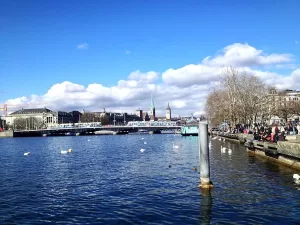
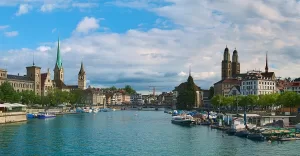
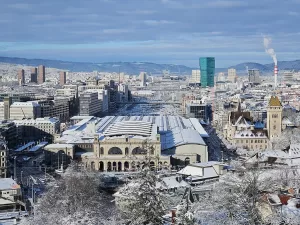

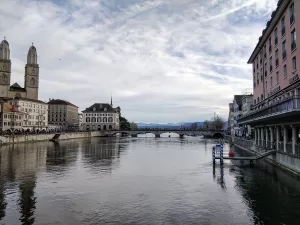
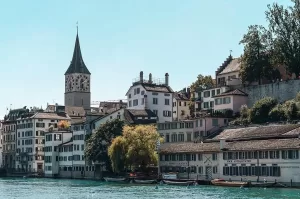
Zurich combines banking wealth with creative energy, making it one of the top cities to visit in Europe for those seeking both urban sophistication and natural beauty. Switzerland’s largest city offers exceptional quality at premium prices.
The Limmat River divides Zurich’s Old Town (Altstadt), where medieval buildings house modern shops and restaurants. Stroll along Niederdorf on the eastern bank for pedestrian streets filled with boutiques, cafés, and nightlife.
Lake Zurich provides the city’s recreational heart, especially in summer when locals swim at badis (public bath areas) along the shores. Boat cruises offer splendid views of the city against the backdrop of distant Alpine peaks.
Bahnhofstrasse ranks among the world’s most exclusive shopping streets. This mile-long thoroughfare runs from the main train station to the lake. International luxury brands mix with Swiss watch boutiques and the historic Confiserie Sprüngli chocolate shop.
A fairy-tale castle building near the main station houses the Swiss National Museum. Its collections trace Swiss cultural history from prehistoric times to the present. The building itself, completed in 1898, represents a monument to Swiss heritage.
Zurich’s art scene thrives beyond banking stereotypes. The Kunsthaus Zurich houses one of Switzerland’s most important art collections, from medieval to contemporary works. The recently opened extension by architect David Chipperfield doubled the museum’s exhibition space.
Day trips from Zurich provide easy access to the Swiss Alps. Mount Titlis offers year-round snow just 75 minutes away by train. Closer still, Uetliberg (Zurich’s local mountain) provides panoramic views of the city, lake, and Alps beyond after a short train ride and hike.
Swiss cuisine in Zurich goes beyond cheese and chocolate. Try Züri-Geschnetzeltes, a veal dish in cream sauce with rösti (potato fritters) at traditional restaurants like Zeughauskeller. For a modern take on Swiss classics, visit Hiltl, the world’s oldest vegetarian restaurant according to Guinness World Records.
- Must See: Bahnhofstrasse, Lake Zurich, Old Town, Kunsthaus Zurich.
- Experience: Explore Swiss traditions, enjoy lake cruises, and visit vibrant art scenes.
- How to Reach: Fly to Zurich Airport and take the train to the city center.
Frequently Asked Questions
What is the best time to visit Central and Eastern Europe?
The best months to visit Central and Eastern Europe are May, June, September, and early October. These periods offer pleasant temperatures and fewer tourists than summer. Winter (December-February) can be magical in cities like Prague and Vienna with their Christmas markets, but prepare for cold temperatures. Coastal destinations like Dubrovnik are best enjoyed from April through October.
Are Central and Eastern European cities more affordable than Western Europe?
Yes, most Central and Eastern European destinations offer excellent value compared to Western Europe. Cities like Budapest, Prague, and Krakow can be 30-50% less expensive for accommodations, dining, and activities. However, Vienna, Zurich, and Copenhagen match or exceed Western European prices. Istanbul offers remarkable value despite its world-class attractions.
What currencies are used in these countries?
Currency varies across the region. The Euro is used in Austria, Germany, and several other countries. Other currencies include the Czech koruna, Hungarian forint, Polish złoty, Croatian kuna, Swiss franc, Turkish lira, Greek euro, and Danish krone. Cards are widely accepted in most tourist areas, but always carry some local currency for small purchases and transportation.
How easy is it to travel between these Central and Eastern European cities?
Transportation links between major Central and Eastern European cities are excellent. High-speed trains connect many destinations, while budget airlines offer affordable flights. Bus companies like FlixBus provide economical options. Popular routes like Prague-Vienna (4 hours by train) or Budapest-Vienna (2.5 hours) make multi-city itineraries simple to arrange.
Start Discovering Central and Eastern Europe’s Treasures
Central and Eastern Europe offer some of the top cities to visit in Europe for travelers seeking authentic experiences beyond the usual destinations. From Prague’s fairytale architecture to Istanbul’s cross-continental culture, these cities provide rich rewards for curious travelers.
What makes these destinations particularly special is their remarkable diversity. Within relatively short distances, you can experience dramatically different languages, cuisines, and cultural traditions. Yet common threads of resilience, creativity, and hospitality unite the region.
These cities often provide better value than their Western European counterparts. Your travel budget stretches further while still delivering world-class museums, architecture, and dining experiences. Lower costs often mean you can stay longer or enjoy higher-quality accommodations.
Central and Eastern European cities are also evolving rapidly. While preserving their historic centers, many embrace innovation in food, design, and urban planning. This dynamic blend of old and new creates exciting energy that rewards repeat visits.
In our final article in this series, we’ll explore essential travel tips for planning your perfect European adventure. From transportation strategies to accommodation options, you’ll learn how to maximize your experience across all these amazing European destinations.
Have you visited any of these Central and Eastern European cities? Which one surprised you the most? Share your experiences in the comments below and let us know which city you’re most eager to explore in your next European journey.